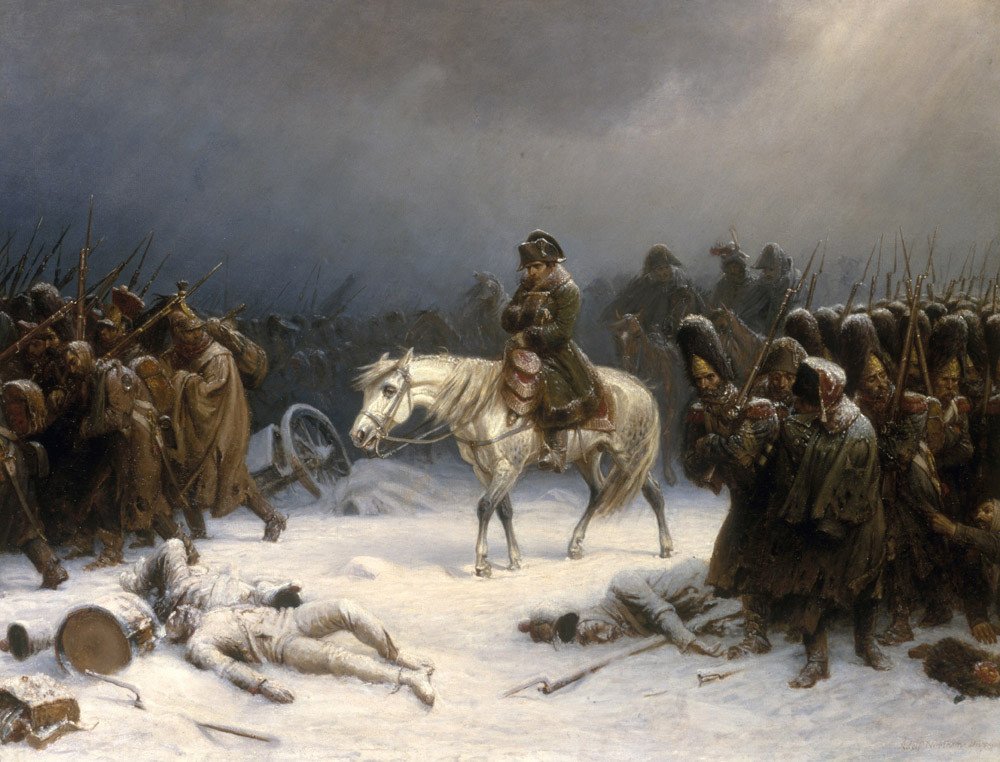
Napoleon’s retreat from Moscow by Adolph Northen, 1851
For centuries, generals have obsessed over maps, manpower, and maneuvers. But lurking in the shadows of history’s greatest battles has been a ruthless, invisible foe: winter weather. This unrelenting force has flipped the script on empires, derailed invasions, and left even the mightiest commanders shivering in defeat. From ancient mountain passes to World War II frontlines, winter weather has redrawn borders, crushed ambitions, and delivered brutal lessons that echo through strategy rooms today.
Winter Weather in the Great Northern War
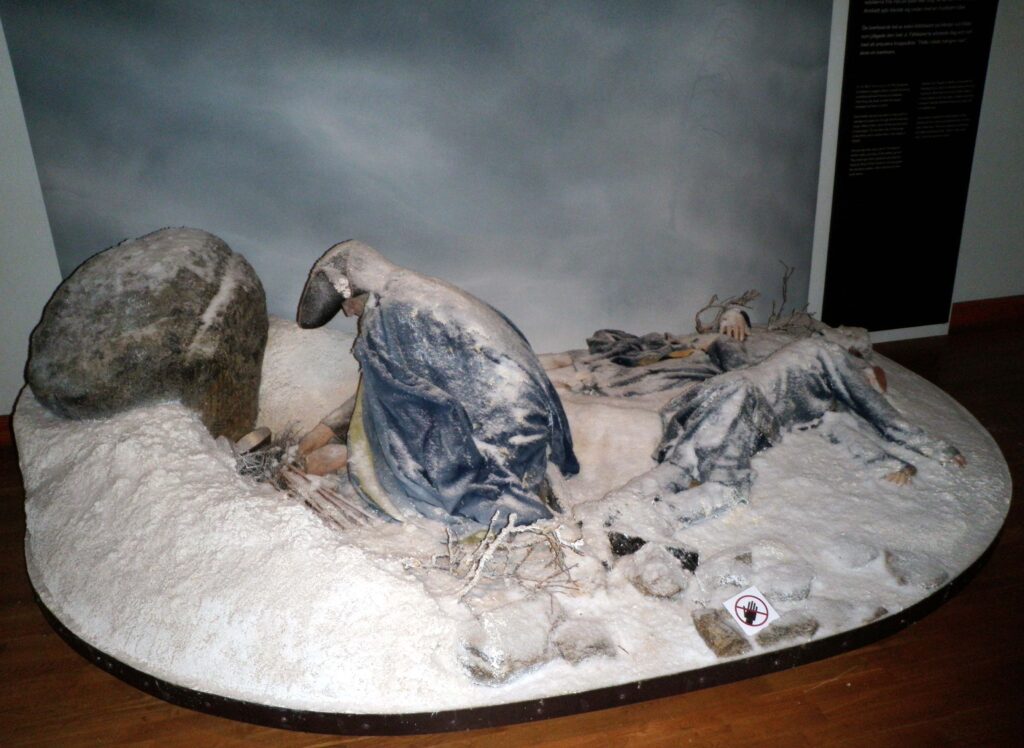
Beyond the major power struggles of the 19th and 20th centuries, smaller, yet equally devastating, campaigns confirm the ruthless authority of winter weather. Carolean Death March (also known as the Disaster of Øyfjellet), a part of the Great Northern War (1700–1721), was the disastrous retreat of Swedish soldiers. In December 1718, following the death of King Charles XII, Swedish Lieutenant-General Carl Gustaf Armfeldt was ordered to retreat his 6,000 exhausted and poorly provisioned troops from Trøndelag back to Sweden. Choosing the shortest route over the Tydal mountain range in January 1719, the army was struck by a sudden, violent north-westerly blizzard and an extreme cold snap. The soldiers, whose clothing was already threadbare from months of campaigning and who lacked proper winter gear and fuel, were instantly overwhelmed.
Napoleon’s Russian Meltdown
Perhaps the most iconic example of winter weather determining a military outcome is Napoleon Bonaparte’s catastrophic Russian campaign of 1812. Initially conceived as a swift, decisive strike to force Tsar Alexander I to terms, the invasion began with the Grande Armée—a multicultural force of over 600,000—marching into Russia in June. The strategy relied on living off the land, a tactic swiftly nullified by the Russian army’s scorched-earth policy of tactical retreat and denial.
As the campaign dragged on without a decisive engagement, time became Napoleon’s enemy. The initial logistical strain was compounded by the early onset of the Russian winter weather, often referred to as “General Winter.” The retreat from Moscow, beginning in October, saw temperatures plummet to -30°C or lower.
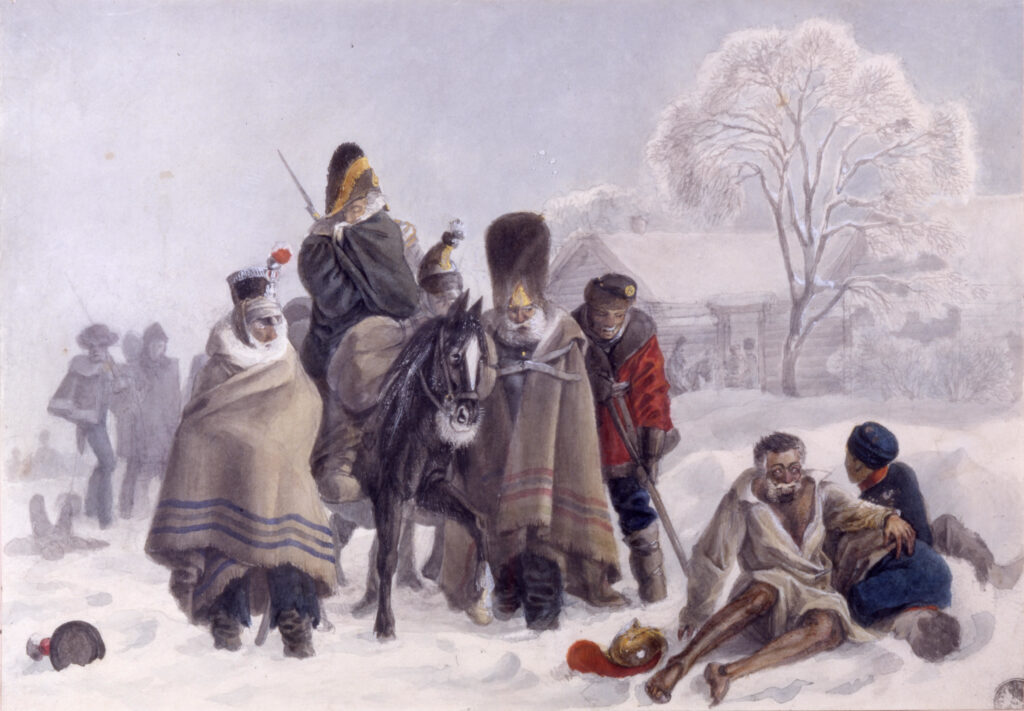
The relentless cold froze lubricants, rendering cannons and muskets unusable. Horses, vital for transport and cavalry, died by the tens of thousands, paralyzing the army’s movements and accelerating starvation. The loss of cavalry and transport animals meant that crucial provisions could not be carried, and sick or wounded soldiers had to be left behind. This created a vicious cycle of decreased mobility and increased mortality. Furthermore, the lack of proper cold-weather gear—soldiers wore summer uniforms well into the bitter cold—exacerbated the suffering. This campaign serves as the ultimate historical lesson that superior tactics and initial numbers are often moot against the elemental power of winter weather. The logistical demands of supplying an army in sub-zero temperatures, where caloric needs drastically increase, simply overwhelmed the French capacity.
The Frozen Frontlines: Winter Weather Halts Hitler’s Blitz in World War II
The echoes of 1812 resonated with chilling accuracy during Operation Barbarossa, the Nazi German invasion of the Soviet Union in 1941. Hitler, like Napoleon, underestimated the vastness of the land and the ferocity of the Russian resistance, planning for victory before the onset of the brutal winter weather. The German military doctrine, focusing on Blitzkrieg, was optimized for rapid movement in temperate conditions, making no serious provisions for a prolonged campaign into the Russian winter.
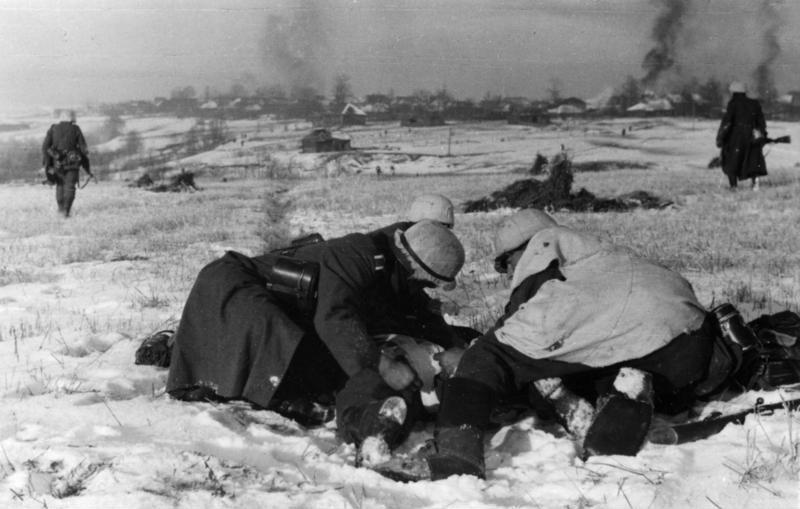
German logistical planning failed to account for two critical factors: the Russian infrastructure’s reliance on wider railway gauges—which prevented the quick integration of German rolling stock—and the extreme cold. When temperatures plummeted to -40 °C near Moscow in December, the sophisticated German machinery seized up. Tanks and vehicles required hours of pre-heating just to start; hydraulic fluids froze; and standard-issue lubricants became useless. Even the simple operation of firearms was compromised, with many rifles failing to cycle or fire reliably due to the freezing of components.
German soldiers, equipped with uniforms designed for a quick summer/autumn victory, suffered immensely. Frostbite casualties rapidly mounted, reducing the effective fighting strength of divisions. Crucially, the extreme winter weather enabled the Soviets, who were far better prepared with insulated uniforms, felt boots (valenki), and cold-weather training, to launch their counteroffensive in December 1941, halting the seemingly unstoppable German advance just kilometers from Moscow. This marked the first major setback for the Wehrmacht and turned the tide of the war on the Eastern Front.
Valley Forge: The Revolutionary Supply Crisis
The impact of winter weather isn’t exclusive to large-scale continental invasions; it has played a significant, albeit different, role in Western military history, particularly in logistics and morale.
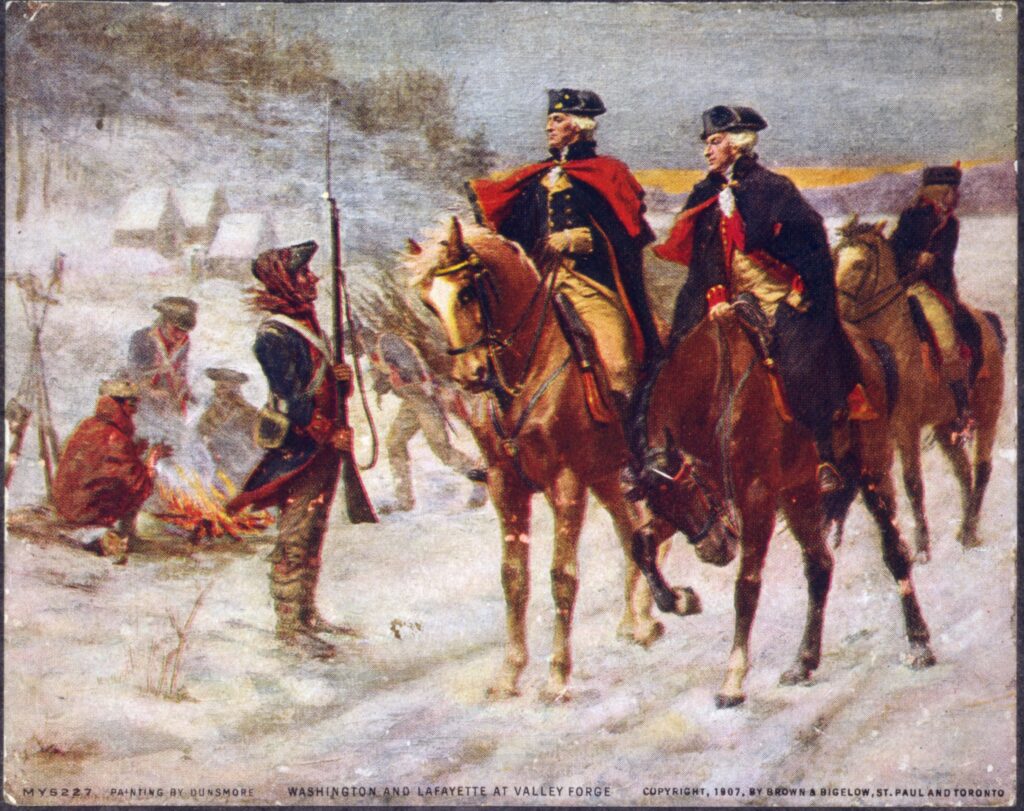
During the American Revolutionary War, the Continental Army’s encampment at Valley Forge during the winter of 1777-1778 is a significant testament to the sheer physical and moral toll exacted by the cold. While not directly leading to a military defeat by the British, the extreme cold and lack of adequate supplies decimated George Washington’s forces through starvation, exposure, and disease. Estimates suggest that c. 2,000 soldiers died during the six-month encampment, not in battle, but at the hands of winter weather and its associated challenges.
The challenge here was less about the weather stopping machinery and more about the failure of the fledgling American supply system to navigate frozen rivers and snow-choked roads to deliver basic necessities like food, clothing, and medicine. The lack of proper boots and clothing meant many soldiers were literally incapacitated by frostbite or simply unable to leave their makeshift shelters. Valley Forge underscores the principle that a poorly supplied army in a cold environment is often more vulnerable than facing a direct enemy attack.
Undoing Ancient and Medieval Strategy
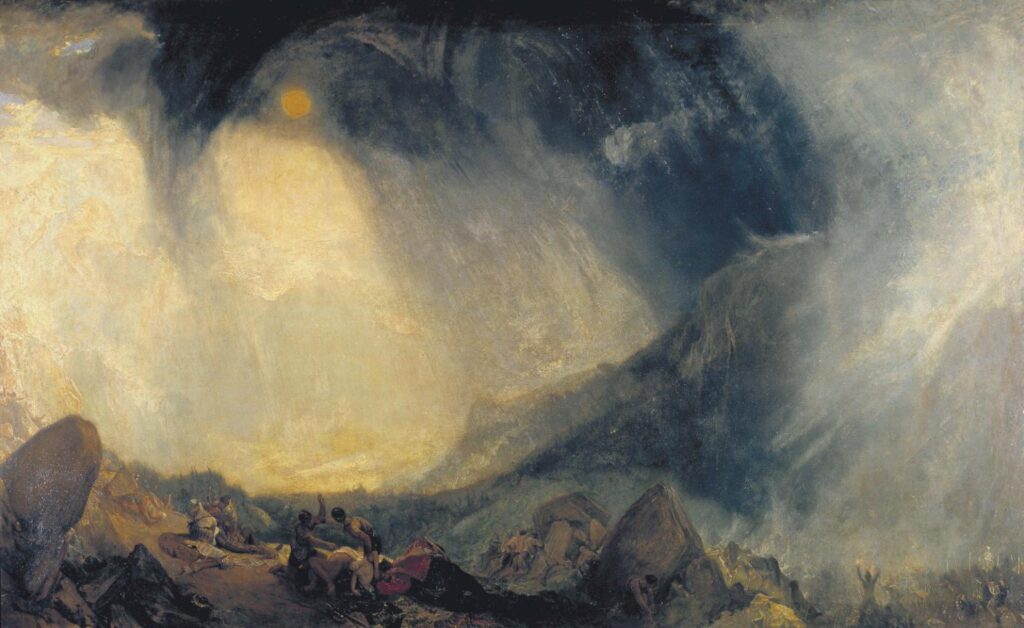
This isn’t just a modern curse—winter weather has been meddling since swords and shields ruled. Hannibal Barca’s 218 BCE Alpine crossing in the Second Punic War? Epic, but deadly. Although he successfully brought his army and elephants into Italy, early snows and sheer cold led to catastrophic losses. Weakened, Hannibal fought on, but winter weather made the situation very difficult.
Another example is the First Crusade: After the victory over the Seljuks at Dorylaeum, the Crusaders besieged Antioch in October 1097. They expected a quick win, but the Levantine winter weather—harsh rains, cold snaps, and mud—unleashed famine and disease. Thousands died, horses starved, and morale tanked; even leaders like Peter the Hermit searched for food. The siege proved winter weather could turn triumph into a desperate grind.
Logistical and Strategic Fallout
The historical record confirms that winter weather is a force multiplier—it magnifies every existing logistical weakness and reduces the effectiveness of technological superiority.
Logistical Collapse
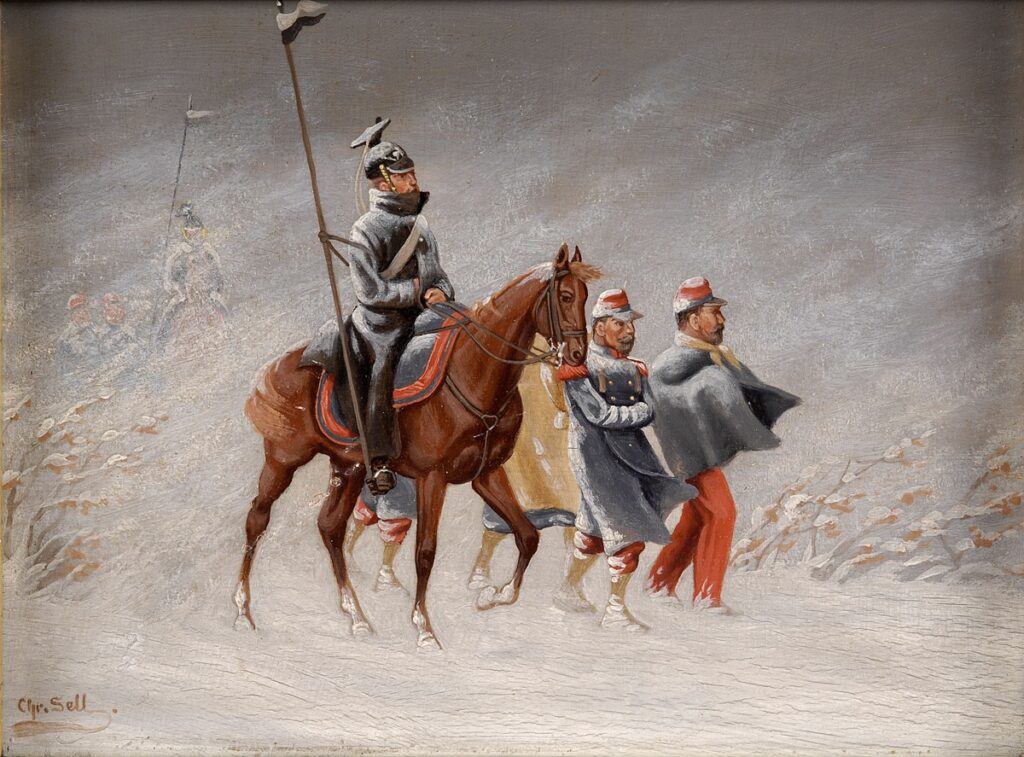
Cold drastically increases the consumption of fuel and food. A soldier requires significantly more calories just to maintain body temperature. Freezing conditions make transport difficult, as roads become impassable with deep snow or slick ice, slowing down the delivery of these suddenly scarce resources.
Technological Failure
As seen in World War II, mechanical systems (tanks, aircraft, even simple rifles) are highly susceptible to freezing temperatures, often rendering the invading force’s technological advantage moot.
Medical Crisis
The cold quickly leads to non-combat casualties, particularly frostbite, trench foot, and respiratory illnesses. These casualties require significant resources to treat, draining the supply lines and morale further.
These examples are the lesson. Victory in cold-weather operations is predicated not just on tactical genius, but on a profound respect for, and comprehensive preparation against, the elemental severity of winter weather. Nations bordering Arctic or high-altitude regions inherently possess a strategic advantage, often due to generations of cultural and military adaptation to the cold.
The Challenge That Remains
From Hannibal’s icy Alps to Napoleon’s snowy retreat and Hitler’s stalled siege of Moscow, winter weather has ultimately etched itself into military history. It’s nature’s fortress, demanding rock-solid logistics and humility. So, these sagas are a reminder: no military force, however disciplined or technologically advanced, can fully conquer the forces of nature without meticulous planning. The frozen battlefields of history? They’re timeless warnings that winter weather can decide the fate of nations.


