
The End of the Song by Edmund Blair Leighton, 1902
The winter cloak is far more than a practical shield against the elements; it is an artifact that charts the entire course of human civilization, from the earliest struggle for survival to the pinnacle of courtly status. Tracing the evolution of this garment can look like sampling a collection of the world’s finest historic textiles, where each fold and fastener reveals a compelling narrative of social hierarchy and artistic mastery.
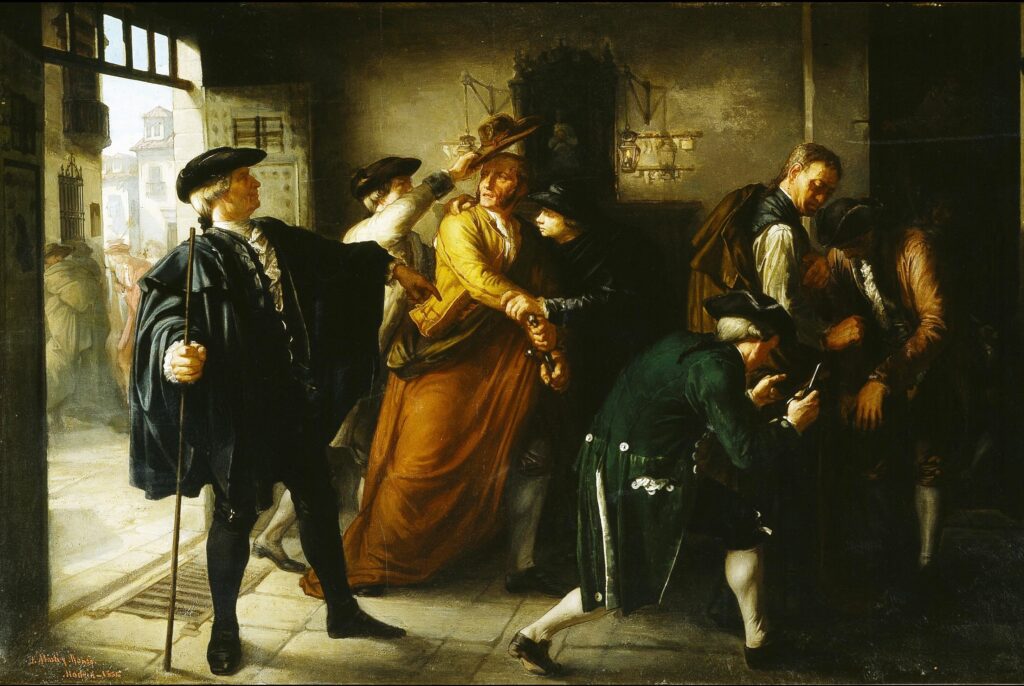
The journey of the winter cloak—from a primal necessity fashioned from raw animal hide to an extravagant mantle of velvet and ermine—is an interesting study in how function and high fashion are blended to define power.
Neolithic: Protection as Survival
The story begins in the dawn of human ingenuity, where the need for elemental defense dictated the design. Before the loom refined textiles, our ancestors used the most readily available and effective material: the simple animal hide.
The Primal Draping
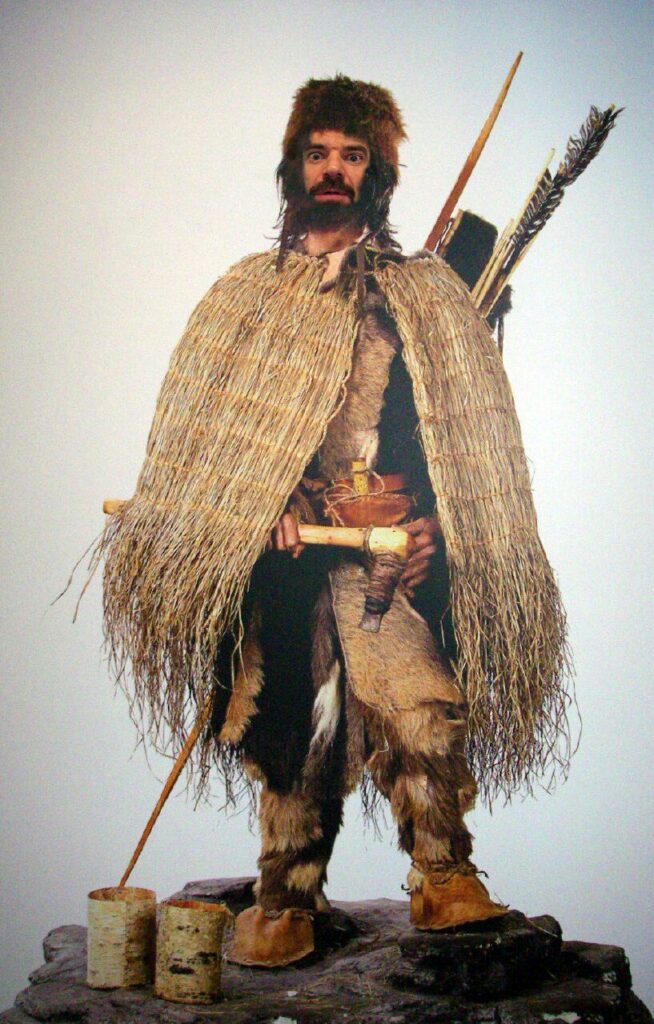
Archaeological evidence, like the preserved cloak worn by the Ötztal Iceman, confirms these elementary designs. They were typically rectangular or oval pieces of tough wool or leather, utilizing the natural lanolin in the wool to provide essential warmth and water-resistance.
The Fastener
Fastening was purely functional, and involved a sort of belt, making these first winter cloaks a purely utilitarian piece. They often did double-duty as a blanket for travelers and warriors. A single-purpose, high-utility garment.
Drape and Distinction: The Classical to Medieval Statement
As societies became more stratified, so too did the complexity and symbolism of the winter cloak. The cloth itself became a signal, moving from mere protection to a marker of status.
The Roman Artistry
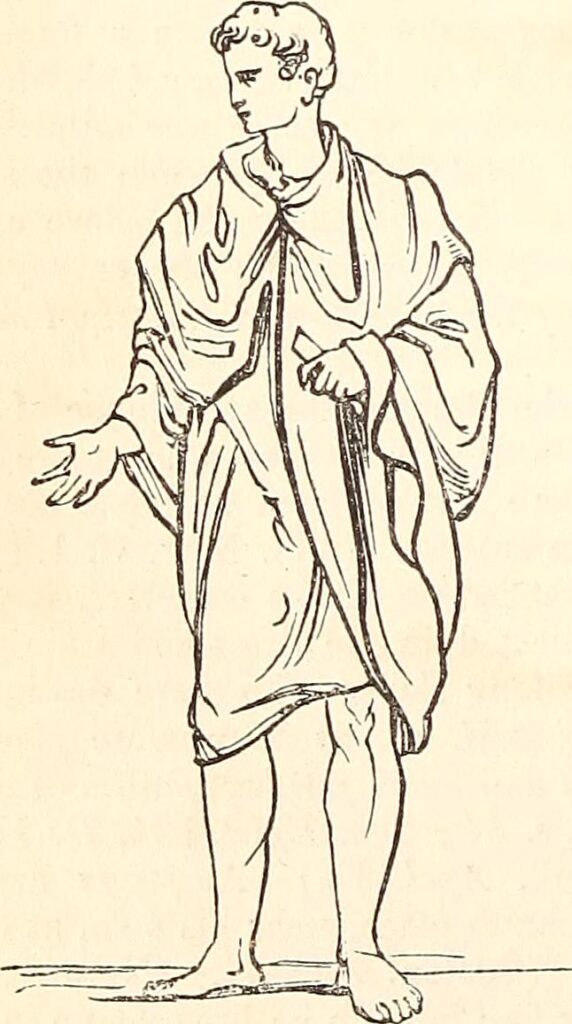
In Rome, the practical hooded paenula was for everyday, and for travel. Originally worn by slaves, later it was adopted by fashionable people.
The Medieval Utility
The Middle Ages cemented the winter cloak as a multi-purpose necessity across all social strata in Europe’s unpredictable climates.
Commoner and Traveler
The necessity of life dictated a focus on pure practicality. Peasants and travelers wore simple, durable winter cloaks crafted from coarse, thick wool. These garments were typically knee-length to ensure freedom of movement during labor or travel, their design severely constrained by the high cost and scarcity of fabric. A simple cowl or hood was added for maximum utility, establishing the basic hooded cloak as the essential workhorse of the everyday person.
Clergy
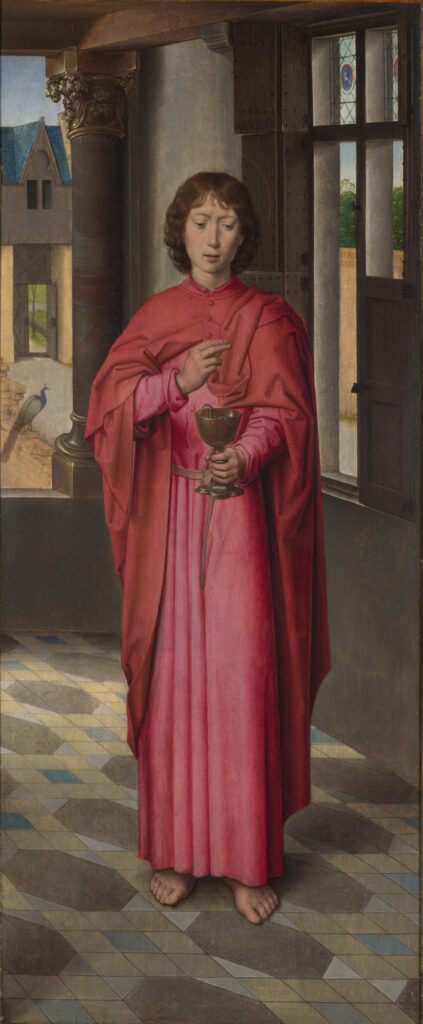
Here, the purpose shifted entirely toward spiritual authority. Ecclesiastical robes, such as the semi-circular cope, symbolized spiritual devotion and purity. These cloaks were characterized by long, modest material and were often adorned with profound symbolic embroidery representing divine light or holiness, making them a statement of profound moral, rather than martial weight.
Warrior and Knight
The warrior required battle-ready warmth. Soldiers and knights wore practical winter cloaks, and their primary design mandate was mobility in battle. Unlike the flowing, status-driven robes of the nobility, the warrior’s cloak was a rugged piece of field equipment designed for quick movement.
The evolution in fastening, from a simple pin to intricate fibulae (brooches) and jeweled clasps, transformed the winter cloak from a wrap into an accessorized statement of personal wealth and style.
The Zenith of Extravagance
The functionality of the medieval era slowly yielded to a deliberate and opulent extravagance. The winter cloak ceased to be a simple protective barrier and became a central icon of power, wealth, and haute couture.
The Renaissance Blend
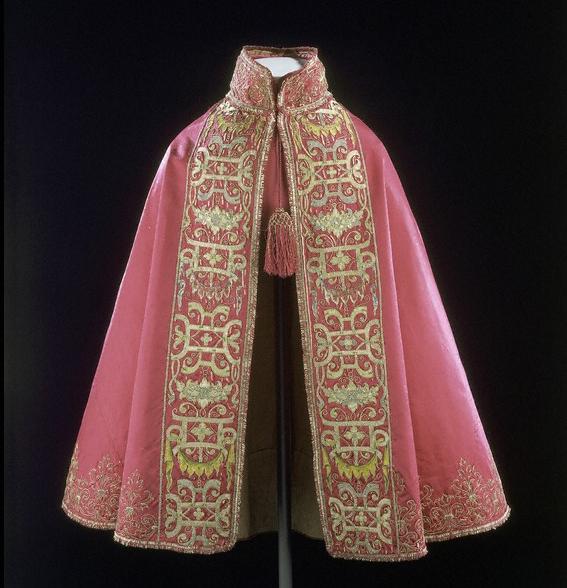
The late Middle Ages and Renaissance saw the rise of garments like the Houppelande, a magnificent, floor-length overgarment reserved almost exclusively for the nobility. This dramatic piece, often lined with the most costly furs—ermine, sable, and chinchilla—was a direct visual indicator of rank.
The Fabric Portfolio
The length and volume of a noble’s winter cloak literally advertised their ability to afford vast quantities of expensive, imported fabrics like velvet, damask, or silk brocade, often trimmed with gold embroidery or pearls.
A Law of Display
Sumptuary laws often dictated who could wear which colors and materials, making a winter cloak the most immediate and unambiguous statement of social standing. The theatricality reached its peak in royal courts. Coronation robes, with their heavy, sweeping trains, were not merely clothing; they were core symbols of divine rule and absolute authority.
An ambassador arriving at court in an impeccably tailored and lavishly adorned winter cloak was making an undeniable statement about their own standing and the wealth of the territory they represented. The winter cloak had become the ultimate garment of prestige.
The Opera Cloak
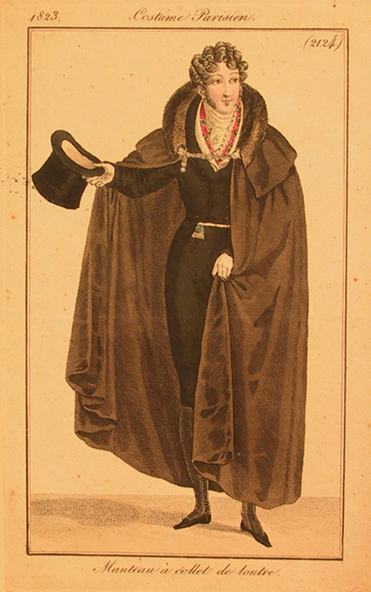
The 19th and early 20th century witnessed a resurgence of the winter cloak’s high-fashion legacy, manifested in the supremely elegant opera cloak. As the formal coat dominated daytime attire, the opera house and grand ballrooms became the last bastion for the flowing, dramatic mantle. This garment was no longer about protection from the elements, but rather protection for fine evening wear—specifically, the fragile silks, satins, and lace of ball gowns and tailcoats—from the chill of the carriage ride. Typically crafted from luxurious fabrics like velvet, silk, satin, or brocade and often lined with rich ermine or chinchilla, the opera cloak served as the ultimate flourish of glamour. It was the essential accessory, dramatically shed at the entry to the box, announcing the wearer’s arrival and momentarily placing them in the league of opulent prestige.
Legacy
While the tailored coat eventually replaced the flowing cloak for general use, the legacy of the winter cloak endures in specialized, glamorous forms. Today, the winter cloak remains powerful because it instantly communicates deep meaning. It’s a reliable cultural touchstone used in movies and books to quickly signal mystery, nobility, or historical authenticity. We see its enduring spirit in the grand, sweeping robes worn by royalty in period films and in the symbolic, authoritative attire of modern political figures during key ceremonies. The cloak lives on as a visual shortcut for prestige and drama.


One thought on “The Winter Cloak in Power and Fashion”