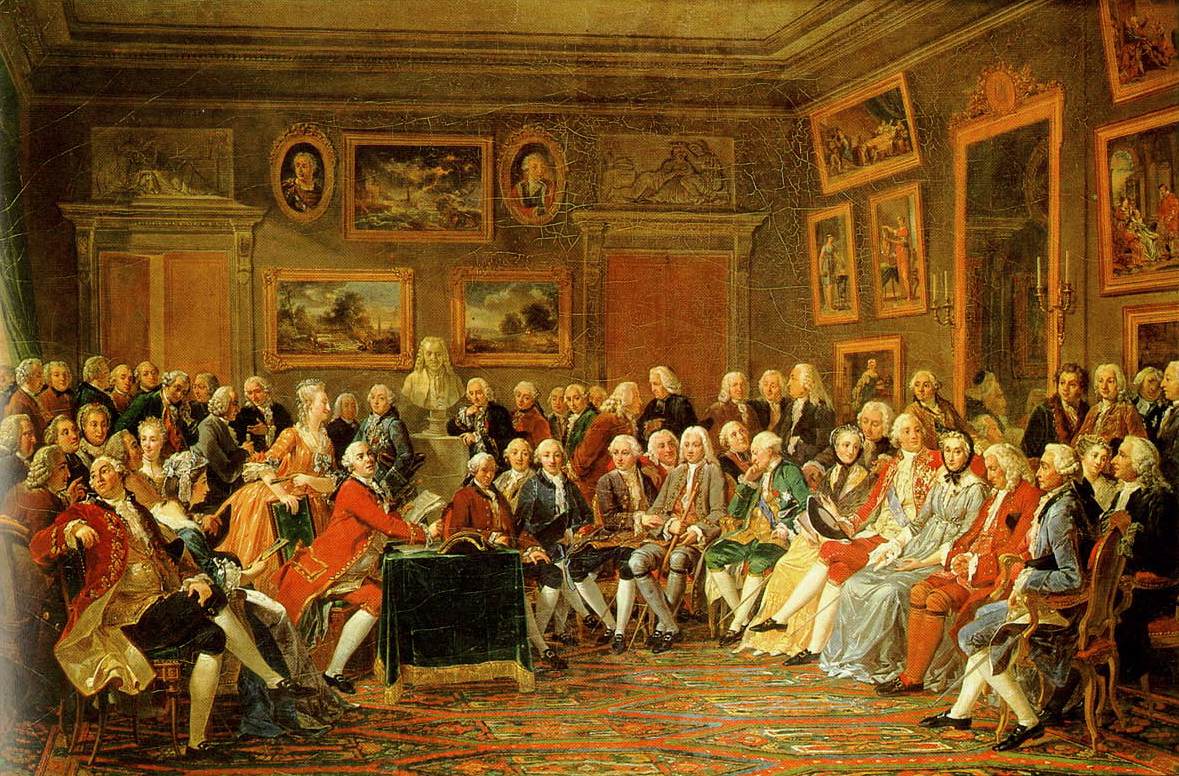
In the Salon of Madame Geoffrin in 1755 by Anicet Charles Gabriel Lemonnier, 1812
By the early 18th century, Europe was buzzing—not just with new ideas, but with new ways of sharing them. At the heart of this transformation were enlightenment salons, intimate yet influential gatherings that quietly rewired how culture, knowledge, and social influence circulated. Hosted largely in private homes and often led by women, these salons were not side notes to history; they were engines of cultural heritage whose impact still echoes today.
Far more than polite conversation over tea, enlightenment salons were spaces where ideas gained traction, reputations were built, and cultural norms were tested in real time.
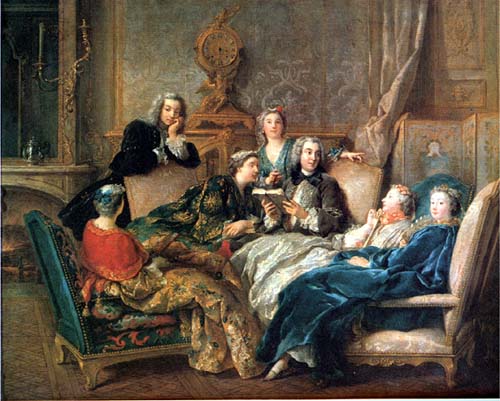
Enlightenment Salons As Cultural Heritage
The cultural significance of enlightenment salons lies in their ability to bridge worlds. Philosophers debated alongside poets, scientists exchanged ideas with aristocrats, and artists found patrons without the rigid gatekeeping of formal institutions. These gatherings preserved and advanced cultural heritage by allowing ideas to be shaped collectively—refined through dialogue rather than dictated by authority.
Salon hosts curated not just guest lists, but intellectual atmospheres. A successful salon balanced provocation with civility, novelty with tradition. In doing so, salons became living archives of cultural thought, influencing literature, politics, fashion, and even language. Many Enlightenment ideals—tolerance, reason, shared knowledge—spread not through books alone, but through repeated social exchange within these rooms.
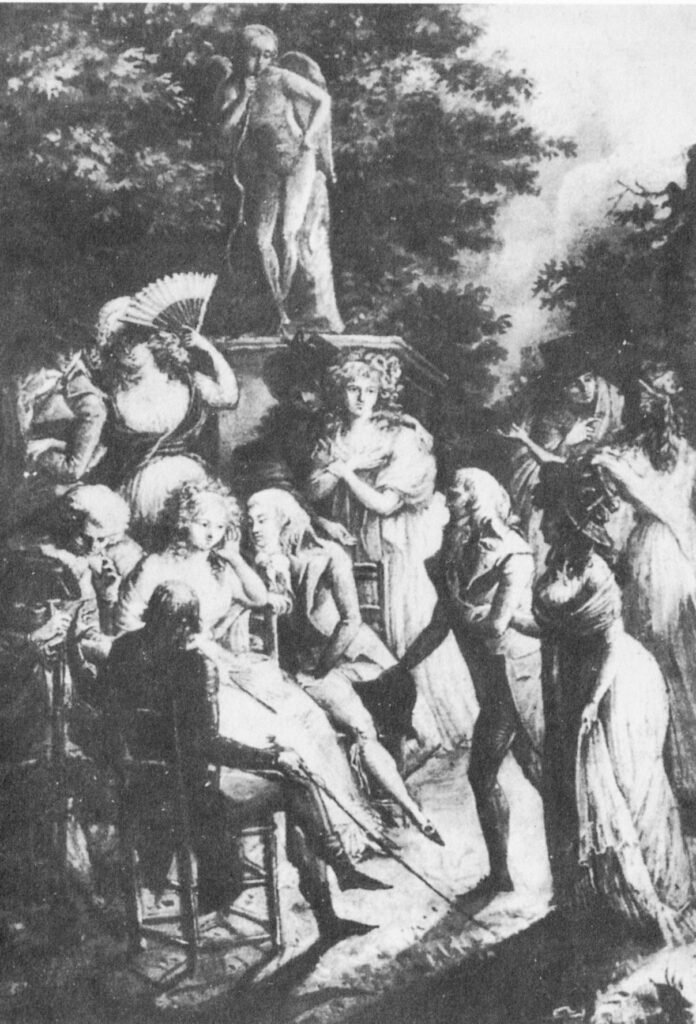
The Architecture Of Influence
What made enlightenment salons so powerful was their structure. Participation conferred visibility. Being invited signaled relevance. Ideas that resonated were repeated, referenced, and carried outward into broader society. Those that failed to engage quietly disappeared.
This wasn’t accidental. Salons thrived on attention, reputation, and networks. Influence grew horizontally, not hierarchically. Authority came from contribution, wit, and the ability to spark conversation. Cultural value was collectively assigned, reinforced through shared discussion and social endorsement.
In this way, salons functioned as early ecosystems of public opinion—places where cultural momentum could build quickly and spread far beyond the walls in which it began.
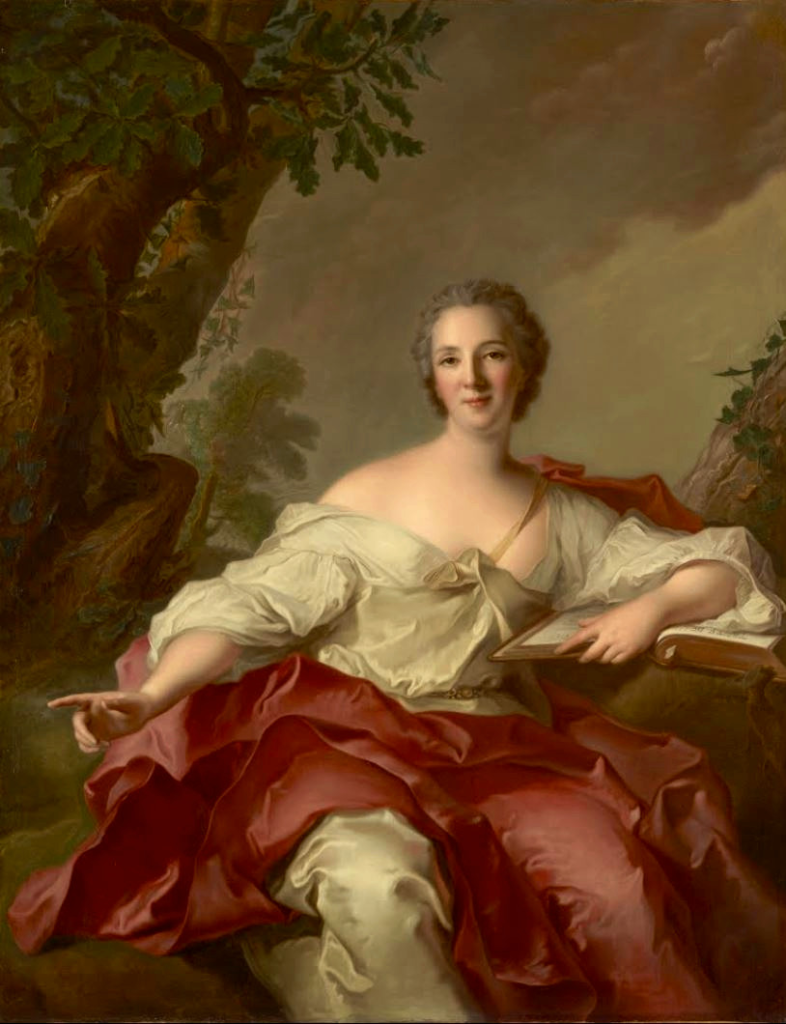
Social Frameworks
Understanding enlightenment salons offers more than historical insight; it reframes how cultural power works. It is necessary to recognize that the systems we use today to exchange ideas, build influence, and shape public discourse are not new inventions, but evolved versions of older social frameworks.
Salons reveal that culture has always been participatory. Ideas have always relied on networks. Visibility has always been currency. By seeing enlightenment salons as dynamic cultural platforms rather than static historical curiosities, it is possible to gain a clearer understanding of how shared spaces, physical or otherwise, shape what societies value, amplify, and remember.
The legacy of enlightenment salons is not just preserved in museums or manuscripts. It lives on in every space where conversation creates community, where attention confers influence, and where culture is built collectively, one exchange at a time.
