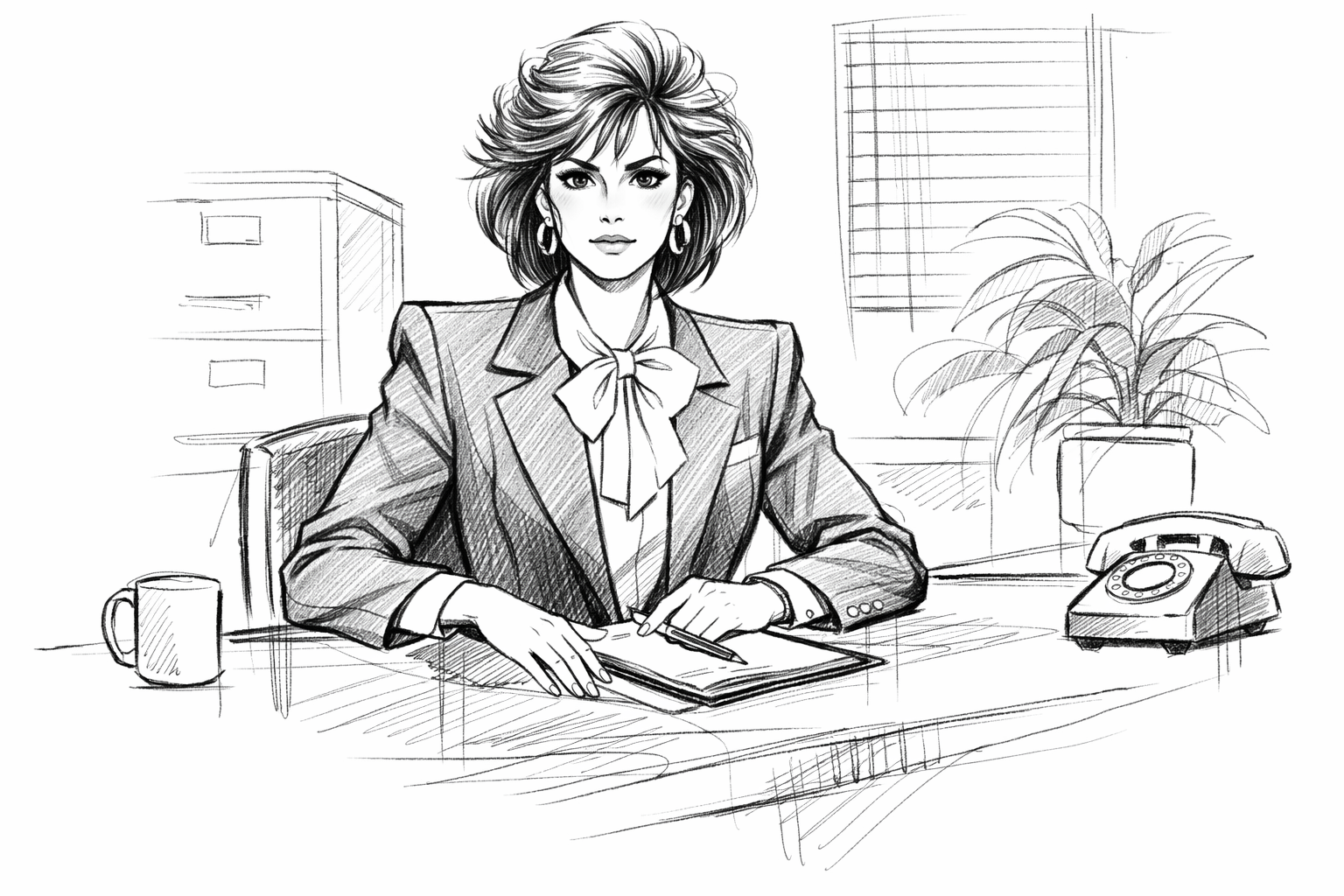
Women’s power dressing has a great cultural significance in fashion history. It still continues to shape modern professional identity. From boardrooms to red carpets, power dressing has been a statement of authority, independence, and cultural transformation.
The concept of power dressing emerged in the late 20th century as women began breaking traditional barriers in business, politics, and creative industries. While fashion has always been a reflection of society, the rise of professional women in the workplace demanded a visual language that communicated competence, confidence, and control. Designers responded with tailored suits, structured shoulders, and a palette of bold yet sophisticated colors, creating a style that was as much about symbolism as it was about fabric.
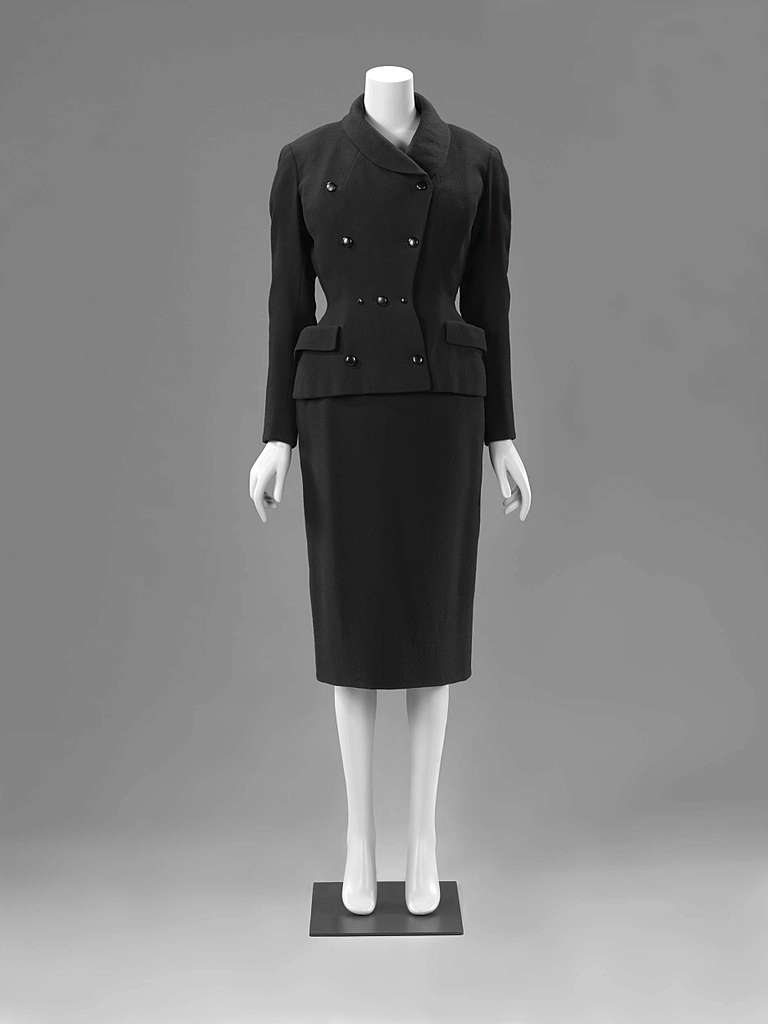
Power Dressing as a Cultural Statement in Fashion History
Historically, women’s clothing often reflected social restrictions. Corsets, long skirts, and delicate fabrics signaled domesticity and adherence to gender norms. The entry of women into professional spaces necessitated a departure from these limitations. By adopting elements traditionally associated with male authority like blazers, trousers, and minimalist tailoring, women began redefining what professional attire could convey. This evolution is a crucial chapter in fashion history, illustrating how clothing intersects with societal change.
.jpg)
The 1980s are often cited as the pinnacle of power dressing culture. Shoulder pads, crisp blouses, and high heels became emblematic of ambition and seriousness. Television shows like Dynasty and films portraying career-driven women amplified the cultural resonance of power dressing, making it aspirational. But the style was not merely about aesthetics; it was a subtle negotiation of gender dynamics, a way for women to assert authority in spaces where authority had historically been denied.
Influential Women and Power Dressing
Throughout fashion history, influential women have leveraged their style as a tool of empowerment. Each choice communicated resilience and professional dominance, signaling to audiences, both public and private, that women could occupy and command space traditionally reserved for men.
Power dressing has also carried cultural implications beyond Western workplaces. In Japan, France, and Nigeria, local adaptations merged global professional aesthetics with traditional garments, creating a hybrid identity that honored heritage while embracing modernity. This cultural blending underscores women’s power dressing as a global dialogue in fashion history, reflecting diverse experiences and social ambitions.
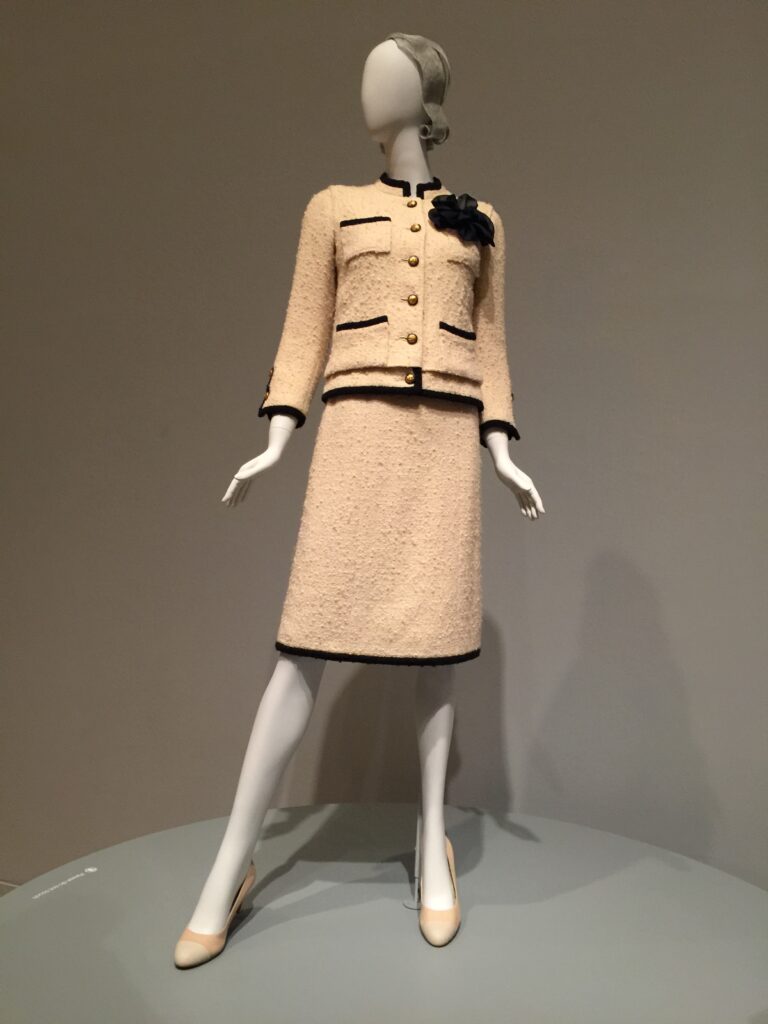
The Modern Resonance of Power Dressing
Today, power dressing continues to evolve, embracing inclusivity and individuality. While tailored suits remain a staple, designers now experiment with colors, textures, and silhouettes that challenge rigid definitions of authority. The modern professional wardrobe reflects broader cultural shifts: a rejection of uniformity, an embrace of personal expression, and a recognition that leadership can take many forms.
Social media has further amplified the cultural impact of women’s power dressing. Platforms like Instagram and LinkedIn showcase professionals using style as a tool of influence, reinforcing the enduring connection between clothing, identity, and power. In this way, power dressing remains a living chapter of fashion history, one that continues to adapt as cultural norms evolve.
In conclusion, women’s power dressing is embedded deeply in fashion history. From its emergence as a visual assertion of authority to its ongoing reinvention in diverse cultural contexts, power dressing demonstrates the profound ways clothing can shape perceptions, challenge norms, and amplify voices. As society progresses, so too will the sartorial strategies women use to define and project their power.

