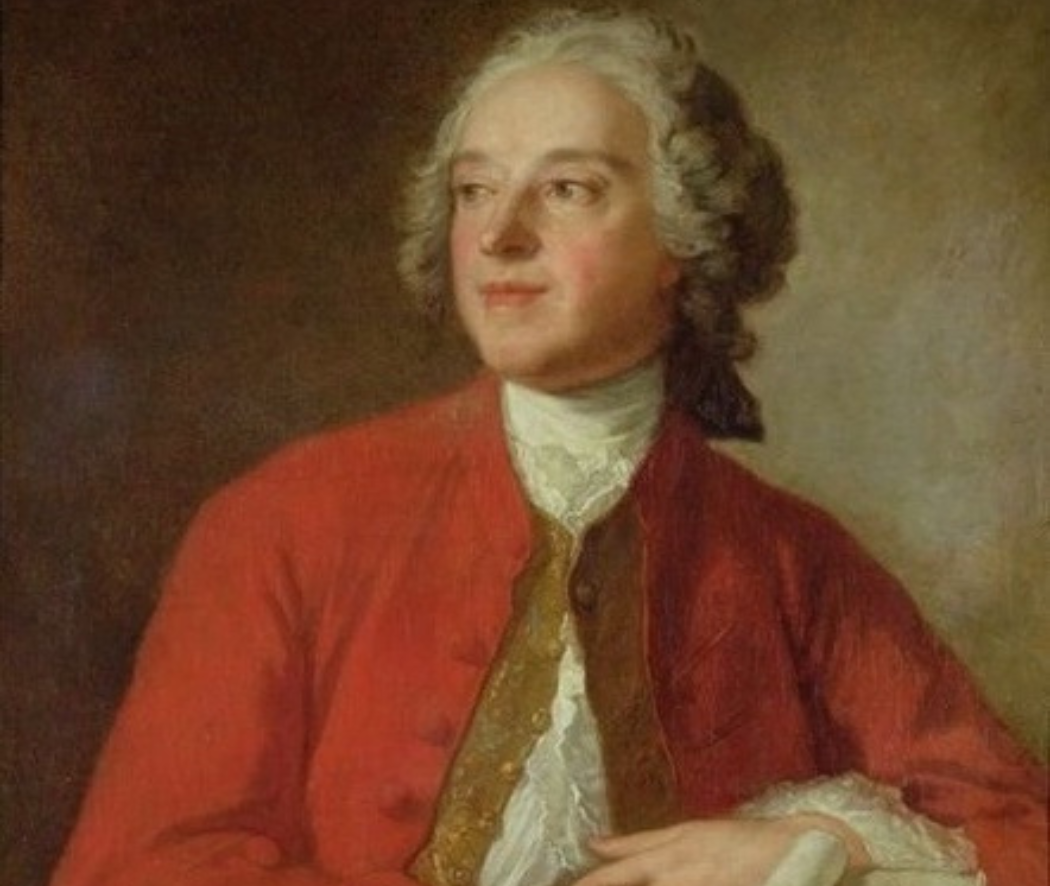
Portrait of Pierre-Augustin Caron de Beaumarchais, c. 1755
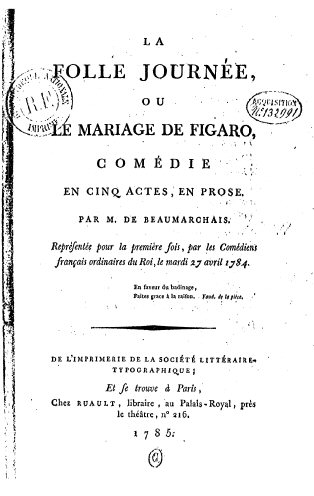
Few figures in the history of spies illustrate the blurred boundaries between politics, culture, and covert influence quite like Pierre-Augustin Caron de Beaumarchais. To the general public, he remains the celebrated author of The Marriage of Figaro, one of the most influential comedies of the Enlightenment. Yet when it comes to studying the history of spies, Beaumarchais also stands as an example of how intelligence work in the eighteenth century often took place in salons, courts, and diplomatic backchannels rather than in the shadows of modern spy agencies.
His story is a reminder: in the history of spies, some of the most effective agents were not soldiers or infiltrators, but writers, entrepreneurs, and political intermediaries.
A Playwright With Experience
By the time Beaumarchais gained fame in European theatre, he had already navigated the complicated political landscape of royal courts and clandestine diplomacy. Operating under the patronage of Louis XV and later Louis XVI, he participated in sensitive missions linked to covert state interests.
This involvement places him firmly within the broader history of spies, a period when monarchs relied on informal intelligence networks rather than professionalized agencies. Diplomatic envoys, merchants, and writers were frequently recruited for delicate tasks that required discretion, negotiation, and social agility.
Beaumarchais excelled in precisely these areas. His talent for persuasion, legal maneuvering, and personal diplomacy made him valuable in sensitive political situations. Instead of gathering battlefield intelligence, he operated within the subtler realm of influence, recovering compromising documents, negotiating with controversial figures, and managing politically sensitive information.
In the history of spies, this illustrates how eighteenth-century intelligence often depended on reputation and social mobility as much as secrecy.
From Political Intrigue to Literature
When Beaumarchais turned his focus to theatre, the lessons of his covert political life did not disappear. Instead, they resurfaced in dramatic form. His plays explored themes familiar to anyone studying the history of spies: manipulation, hidden motives, power struggles, and the delicate art of navigating hierarchical systems.
Nowhere is this clearer than in The Marriage of Figaro. Beneath its comedic surface lies a sharp examination of authority, privilege, and social maneuvering. The play portrays servants outwitting aristocrats, secrets passing between rooms, and alliances shifting rapidly. All of these are elements that mirror the political intrigues of eighteenth-century Europe.
The connection between art and intelligence culture is striking. Beaumarchais had witnessed firsthand how influence operated behind closed doors. The salons of Paris and the corridors of royal power were arenas where reputation, information, and timing could shape political outcomes.
In that sense, his theatre functions almost as a cultural reflection of the history of spies, a dramatized version of the strategic maneuvering he experienced in real life.
Career Shaped by Secrecy
Today, Beaumarchais occupies a unique place at the intersection of literature and intelligence history. While he is remembered primarily as a playwright, his earlier political activities reveal a career shaped by intrigue, negotiation, and secrecy.
For modern readers interested in the history of spies, his life highlights an important truth about early intelligence culture. Espionage in the eighteenth century rarely resembled the organized spy services of the modern era. Instead, it depended on individuals who could move fluidly between worlds, such as commerce, diplomacy, and culture.
Beaumarchais was precisely such a figure. His plays immortalized the wit and cunning required to navigate power, while his own career demonstrated how those same qualities operated in the real political landscape of Europe.
In the end, the playwright who created Figaro may also be remembered as one of those interesting personalities in the history of spies who turned the intrigues of politics into enduring works of art.

