
The Clandestine Nature of Dead Drops
Somewhere in Western Europe, 1977 In a peaceful neighborhood of some Western European city, there was a building. It wasn’t luxurious, but the second floor had a nice little balcony. Above the flower pots, where green leaves that soaked up the summer sun, there were also almost always white towels drying on the clothes line. […]
Read More
Why True Leaders Are Forged, Not Manufactured
Sometimes brilliant leaders emerge in war; others excel in planning and administration. In the same way, there are some brilliant football players and coaches — and many average ones.
Read More
Velvet and the Language of Color: Crimson, Imperial Purple, and Beyond
From its beginnings, velvet has been more than a luxurious fabric. It has served as a canvas for color, with each hue carrying deep meaning and social significance.
Read More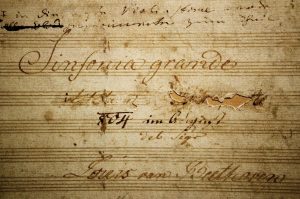
Beethoven’s Compositional Wars
Ludwig van Beethoven lived through one of the most tumultuous periods in European history—an age of revolution and conquest. He was very much a man of his time: politically aware, emotionally engaged, and at times, dangerously idealistic.
Read More
The Fall of Constantinople (1453): What Was Really Lost?
The 1453 fall of Constantinople was not only the fall of the Byzantine Empire but also one of the biggest intellectual and cultural losses in all of human history. When the Ottoman Empire, led by Sultan Mehmed II, breached the walls of this city, one of ancient times’ greatest collections of knowledge fell with it: the Imperial Library of Constantinople. But what had been destroyed in the apocalypse? What was lost when East Rome’s capital had fallen?
Read More