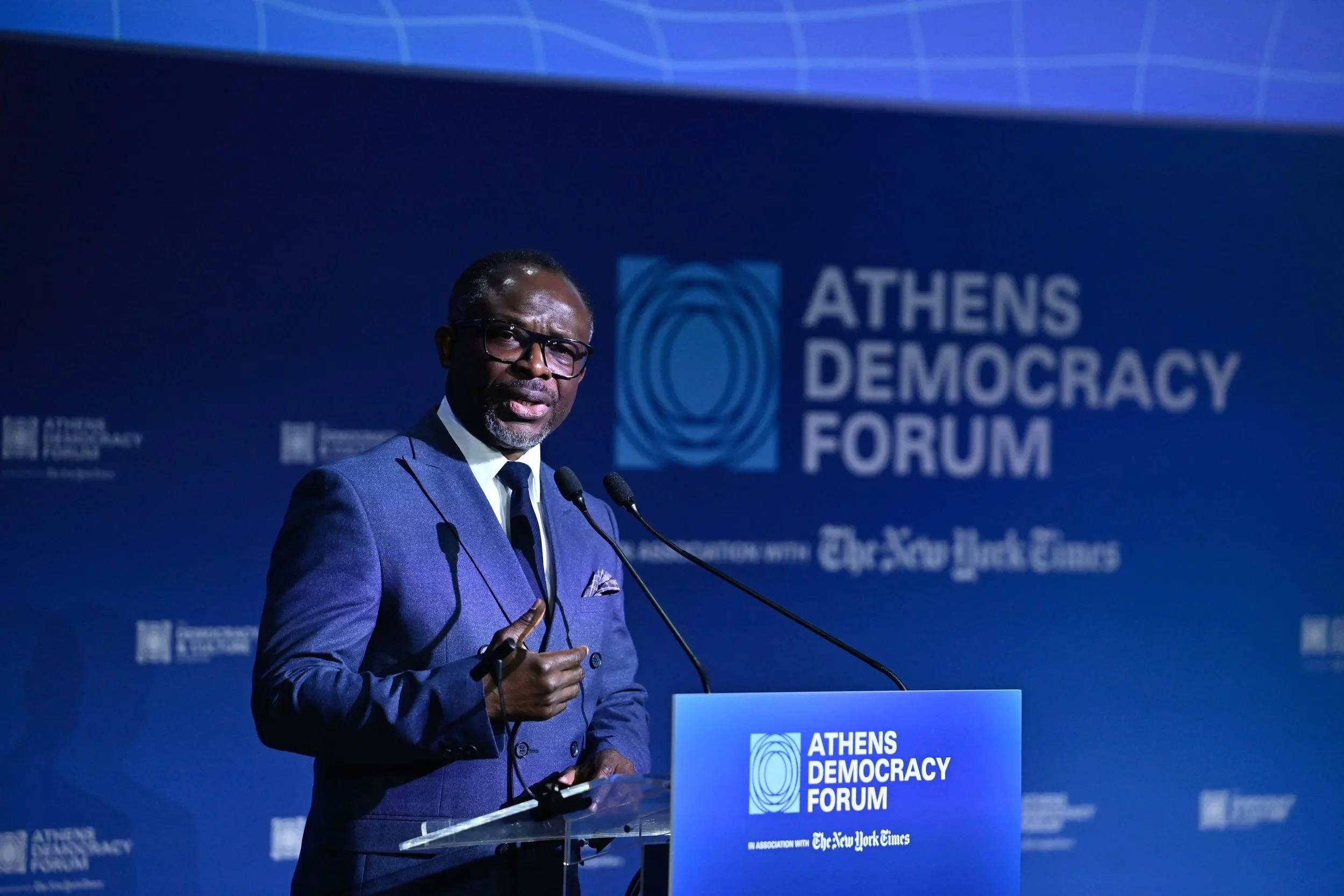
Image: Gcrd.org.uk
“Democracy is not failing because of bad systems. It is failing because of broken trust—and no institutional reform, communications strategy, or policy initiative has reversed that decline.”
This stark assessment comes from the Global Centre for Rehumanising Democracy (GCRD), a London-based non-profit operating at the intersection of advanced technology, contemplative leadership, and civic education.
These words raise a vital question: how do we rebuild a collapsing democratic foundation? To find out, we spoke with Dr. Udo Jacob, founding executive director of GCRD. Bringing together a unique blend of strategic communications, international development, and spiritual formation, Dr. Jacob offers a fresh perspective on democratic renewal.
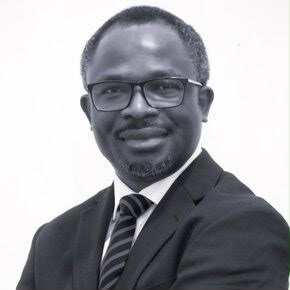
He thinks democracy today still exists, but it has become weaker.
“Democracy is often short-sighted, transactional, and shaped by immediate political objectives. Political parties may focus more on winning the next election than on the long-term needs of society.
It is difficult to say exactly when this changed. The twentieth century was in many ways the high point of democratic expansion, but it also showed the structural weaknesses of democratic systems. Demagogues sometimes used democratic processes to gain power and then changed the system to suit themselves.
As Steven Levitsky and Daniel Ziblatt explain in How Democracies Die, democratic systems can be weakened gradually by elected leaders who undermine political institutions and democratic norms (Levitsky and Ziblatt, 2018).
The human element is lost whenever politicians stop respecting democratic norms, treat opponents as enemies and place personal or party interests above the public good.
What our Discourse Observatory keeps showing is that the institutions of democracy may still be standing but the human texture that made them work is thinning out significantly. People still vote, but often, people don’t recognise one another as fellow citizens but as opponents. That is why we speak of rehumanising democracy, not just reforming or renewing it. The deficit we are facing is not institutional or even procedural. It is relational,” says Dr. Jacob.
Historical Roots of Broken Democratic Trust
Trust is the lifeblood of any democratic society, yet history is littered with moments where that trust fractured. At its core, democracy relies on a simple conviction: citizens must believe their voices matter and that someone is listening.
THA: What are the historical roots of broken democratic trust?
The failure of trust can be found throughout the long history of democracy.
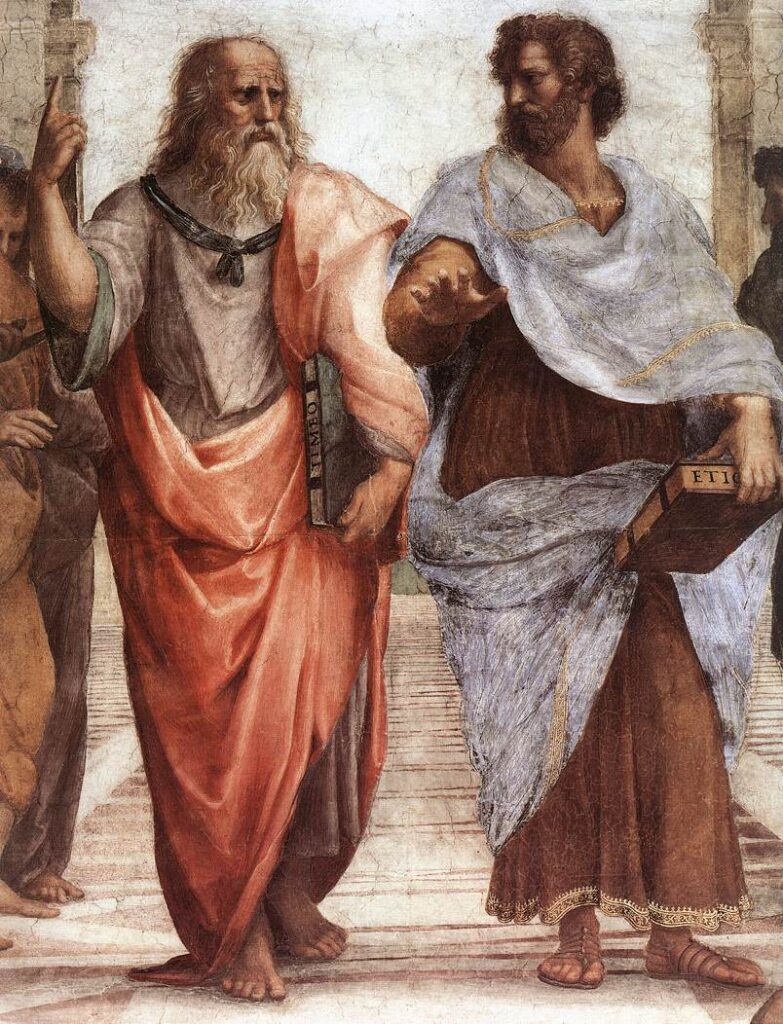
Plato disliked democracy because he feared rule by an uninformed crowd and believed that people could be manipulated by persuasive leaders. Aristotle had a more balanced view, recognizing both the dangers and the possible strengths of collective judgement (Miller, 2022).
Across history, in both the East and the West, people developed councils, assemblies and different ways of sharing power. The French and American revolutions later strengthened the idea that government should serve the people.
However, trust has always been affected by power, influence, negotiation, favours and personal connections. Political systems often claimed to represent everyone while excluding large parts of society.
Trust breaks down when citizens believe that institutions do not listen, laws are applied unequally, or political leaders make promises they do not intend to keep.
The recent rise of populism has made this problem more prominent. Populist leaders often deepen distrust by dividing people through polarizing views.
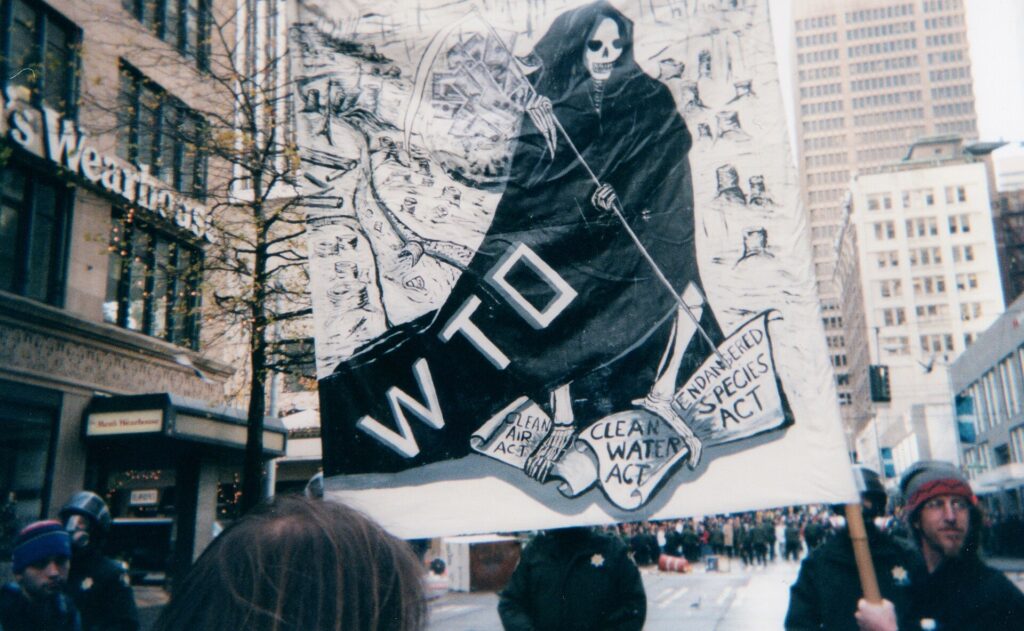
The populist movements are later manifestations. The first warning signs appeared between 1999 and 2003. Edelman’s Trust Barometer was created partly in response to the Battle of Seattle in 1999, where mass protests against globalisation exposed growing dissatisfaction with established economic policies and political leadership. The Iraq War then seriously damaged trust in government, particularly in the US and the UK.
But if you want a single turning point, I would say 2008, although the Barometer did record trust shifting from authorities to peers as early as 2005. But the Great Recession of 2008 broke a lot of things. It also coincided with the explosion of social media and mass access to the global public sphere through the availability of cheaper mobile devices and internet access. So the financial meltdown unraveled in near real time before a global audience, and people were sharing their stories. People saw the unfairness. They saw how institutions failed, with ordinary citizens bearing huge costs while powerful actors were rescued by the very system that had failed the people. By 2012, Edelman was already describing the fall of government; by 2017, they were describing a global crisis of trust; and now we have moved from distrust into grievance and even distrust of one another. The 2026 describes a movement from grievance towards insularity. People are unwilling or hesitant to trust people who differ from them in values, facts, approaches, or cultural background. That is the depth of the crisis we are facing. It is not just trust in institutions that is being degraded; it is also trust in one another and in trust itself. It is the death of epistemic or meta trust.
Democracy and Historical Societies
We often look back on early democratic societies with reverence, but democracy as we know it today did not exist in the past. Ancient forms were deeply exclusive, denying participation to vast portions of the population, a pattern of systemic exclusion that persisted for centuries.
THA: How did historical societies understand democracy differently?
Societies in the past usually had much more limited ideas of democracy.
Ancient Athens is often described as the birthplace of democracy, but not everyone could participate. Women, enslaved people, and foreigners were excluded. Political rights mainly belonged to free adult male citizens.
Similar limits existed in later democratic societies. Countries could speak about freedom and equality while excluding people because of race, sex, property, or social class.
In the United States, for example, voting rights were restricted for much of its history. Even after legal changes, African Americans continued to face serious barriers. The Voting Rights Act of 1965 was an important attempt to protect equal participation and strengthen the enforcement of voting rights (United States National Archives, 1965).
Modern democracy is different because it is based, at least in principle, on universal citizenship, equal voting rights, human rights and the rule of law.
Historical examples must always be understood in context and according to the norms of their period. However, context should help us understand exclusion, not simply excuse it.
“We should not romanticize the past,” Dr. Jacob cautions. Instead, he stresses the need to focus on what truly sustained early civic spaces: genuine community, active participation, and regular, meaningful contact between citizens and the institutions that govern them.
THA: Did historical societies do anything better?
There is not much evidence to support the idea that older societies practised democracy better than we do today.
Some prehistoric or small-scale societies may have shared resources and power more equally, but the evidence is limited. We should be careful not to place modern democratic ideas onto societies we do not fully understand.
Empires and states across the world were usually based on hierarchy, force, and privilege. Ordinary people often had very little influence over decisions. Even societies with councils or assemblies excluded many people.
However, some earlier communities may have had a stronger sense of direct participation. In smaller societies, leaders and citizens were often closer to one another, and decisions could be discussed face-to-face.
Modern democracy is more inclusive, but it can also feel distant and bureaucratic. We should not romanticize the past, but we can learn that democracy requires more than elections. It also needs community, participation, and regular contact between citizens and institutions.
Democracy and Trust in the Twentieth Century
Reflecting on the turbulent political discourse of the twentieth century, Dr. Jacob highlights both its triumphs and warning signs. His central takeaway is clear: language does not merely describe political reality. It constructs it.
THA: What were the best and worst examples of democratic discourse in the twentieth century?
I think some of the best times we’ve seen happened when political language enlarged the moral community. For example, the civil-rights movement. Martin Luther King Jr.’s language of hope, peace, and love transcended race and the divisions and appealed to the better angels of our nature.
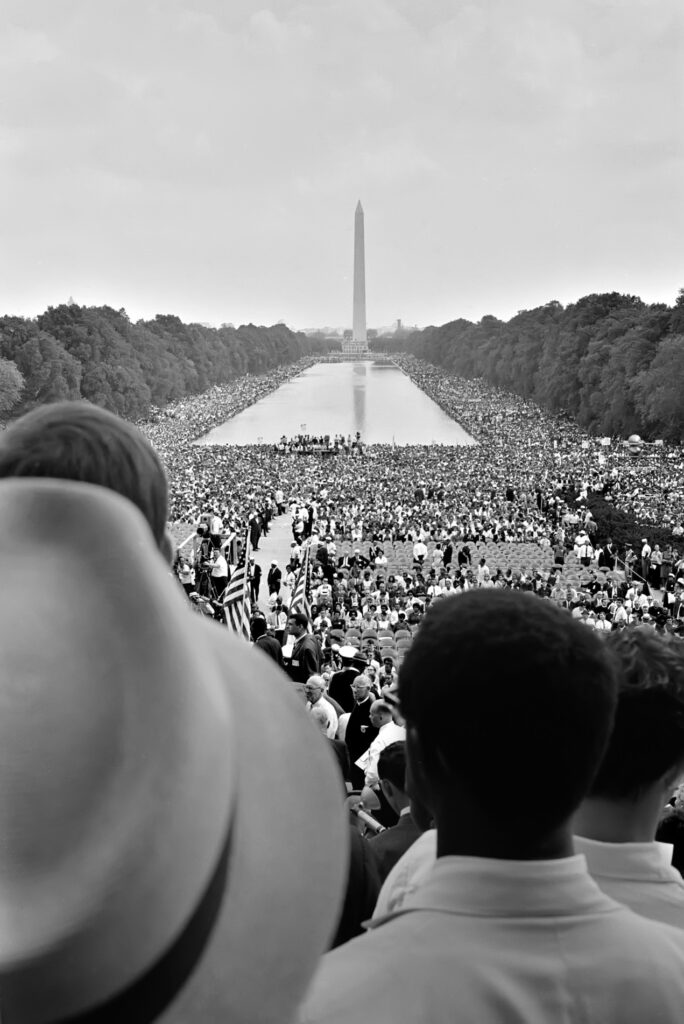
One successful example was South Africa’s transition from apartheid to majority rule. Political opponents had to negotiate and accept that they would share a common future. This was made possible by Mandela’s language of reconciliation and people willing to imagine a future larger than their grievance
The Truth and Reconciliation Commission allowed victims of apartheid-era violence to speak publicly and helped the country confront parts of its history. It did not solve every problem, but it showed the importance of listening, testimony, and acknowledgement (Department of Justice and Constitutional Development, South Africa, 1995).
The American civil-rights movement was another strong example. Protest, journalism, court cases, and public debate forced institutions to confront racial discrimination. This contributed to reforms such as the Civil Rights Act of 1964 and the Voting Rights Act of 1965 (United States National Archives, 1964; 1965).
Public opposition to the Vietnam War also demonstrated the democratic importance of questioning government decisions.
The election of Barack Obama in 2008 was symbolically important, although the polarization that followed showed that progress does not remove deeper divisions.
One of the worst failures was the collapse of Germany’s Weimar democracy, where fear, propaganda, political violence, and extremism destroyed meaningful democratic debate. Another example is Rwanda, when Hutus embarked on a campaign of dehumanisation against their Tutsi neighbours. The resulting genocide happened because of an intense public discourse of dehumanisation.
The lesson is that language does not merely describe political reality. It really can prepare societies either for democratic coexistence or for dehumanisation.
THA: Did twentieth-century societies understand the need to rebuild trust?
Twentieth-century societies often understood the importance of rebuilding democratic trust, especially after war, dictatorship and political violence.
After the Second World War, many countries introduced stronger constitutions, human-rights protections and international institutions. Germany’s post-war system was designed partly in response to the failure of the Weimar Republic.
Indeed, much of the post-war democratic order was fundamentally a trust-building project: stronger social protections, international institutions, expanded rights and, later, mechanisms such as truth and reconciliation processes in South Africa.
Later transitions in Southern Europe, Latin America, Eastern Europe and South Africa also tried to rebuild democratic legitimacy after authoritarian rule.
However, these efforts were not always enough. Governments often concentrated on elections, courts and constitutions without dealing fully with inequality, corruption, exclusion and historical injustice.
Formal institutions are essential, but they cannot create trust on their own. Citizens must also believe that institutions represent them, protect them and treat them fairly.
The twentieth century showed that trust can be rebuilt, but also that it can easily be lost again. Democracy cannot be repaired once and then forgotten. Every generation must renew the practices of listening, compromise, accountability, and respect for legitimate disagreement.
The important lesson was that after profound political rupture, institutions alone are insufficient. People must once again believe that the system can work for them and that they have a place within it.
Does History Repeat Itself?
“Historical situations are never identical,” Dr. Jacob explains. Yet, patterns emerge. In times of crisis and uncertainty, opportunistic leaders often exploit fear by offering simple answers to complex problems. The real danger begins when a leader claims to exclusively represent the “real people.”
THA: Does history repeat itself in democratic discourse?
History does not repeat itself in exactly the same way, but certain patterns return.
Economic insecurity, rapid social change and fear about identity can create opportunities for leaders who offer simple answers to difficult problems. They may blame minorities, migrants, political elites, journalists or international institutions.
Not every populist or right-wing movement is undemocratic. Populism can sometimes raise genuine concerns that established political parties have ignored.
The danger begins when leaders claim that they alone represent the “real people” and that anyone who disagrees is an enemy. Other warning signs include attacks on journalists, courts, and election results, as well as attempts to concentrate power around one leader.
We should be careful when comparing current movements directly with fascism or the politics of the 1930s. Historical situations are never identical.
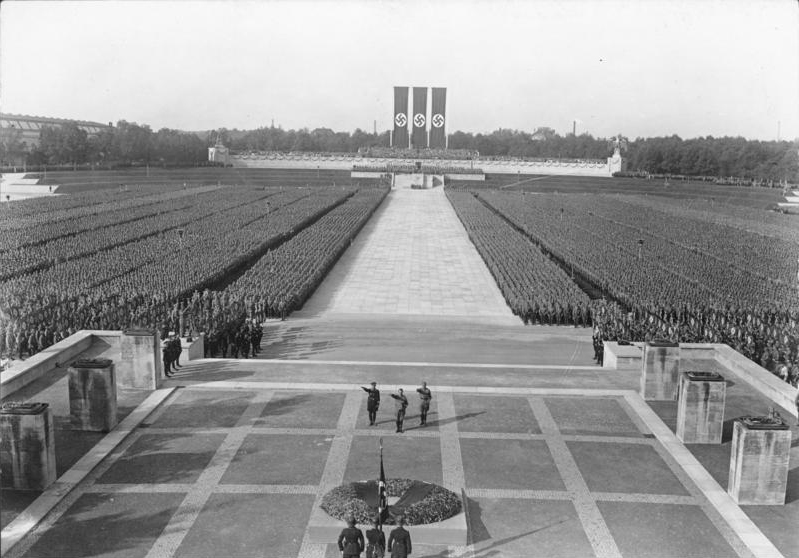
However, history teaches us that democracy often declines gradually. Institutions may continue to exist while their independence and meaning are slowly weakened. Recognizing those patterns early is therefore extremely important (Levitsky and Ziblatt, 2018).
One reason we developed the Democracy Discourse Index is that public language can provide an early signal of some of these deeper changes in democratic life.
Restoring Trust in Democracy
Rebuilding faith in democratic institutions requires far more than surface-level fixes. Radical transparency, uncompromising accountability, and basic political honesty are non-negotiable. Crucially, society must catch harmful shifts in political discourse before they harden into systemic threats. To tackle this, GCRD partnered with Sensika Technologies to develop the DDI.
THA: What is most important for restoring trust in democracy?
The most important task is to reconnect democratic institutions with the everyday lives of citizens. People must feel that participation matters and that government listens to their concerns.
This requires transparency, accountability, and political honesty. Laws must apply equally, including to people with wealth and power. Political opponents must be treated as competitors, not enemies.
Education, independent journalism and respectful public discussion are also essential. Citizens need to distinguish reliable information from propaganda and political debate from personal hostility.
We also need better ways to identify changes in democratic discourse before they become more serious. The Global Centre for Rehumanising Democracy, together with Sensika Technologies, created the Democracy Discourse Index, or DDI.
We are working with universities around the world, as well as with the United Nations Institute for Training and Research, UNITAR, and Bard College, to support research, collaboration and the further development of this work.
The DDI is designed to monitor areas such as trust, empathy, toxicity, civility, democratic agency and information integrity (Global Centre for Rehumanising Democracy, 2026).
The DDI is only a means of monitoring democratic discourse. It does not make decisions or replace human judgement, but it can provide useful evidence to help inform decision-making in a positive and constructive way.
Ultimately, democracy depends on participation, fairness, listening and a shared commitment to a common future. So agency and civic participation must sit alongside empathy, civility and trustworthy institutions. Ultimately, restoring trust requires moving citizens from spectatorship back into meaningful democratic relationship with one another and with the institutions that govern them.
I believe we need leaders with the moral imagination to inspire people to hope again.
References
Department of Justice and Constitutional Development, Republic of South Africa. (1995). Truth and Reconciliation Commission.
Global Centre for Rehumanising Democracy. (2026). Democracy Discourse Index materials. Developed with Sensika Technologies.
Levitsky, S., and Ziblatt, D. (2018). How Democracies Die. Crown.
Miller, F. (2022). “Aristotle’s Political Theory.” Stanford Encyclopedia of Philosophy.
United States National Archives. (1964). Civil Rights Act of 1964.
United States National Archives. (1965). Voting Rights Act of 1965.
Global Centre for Rehumanising Democracy

.jpg)