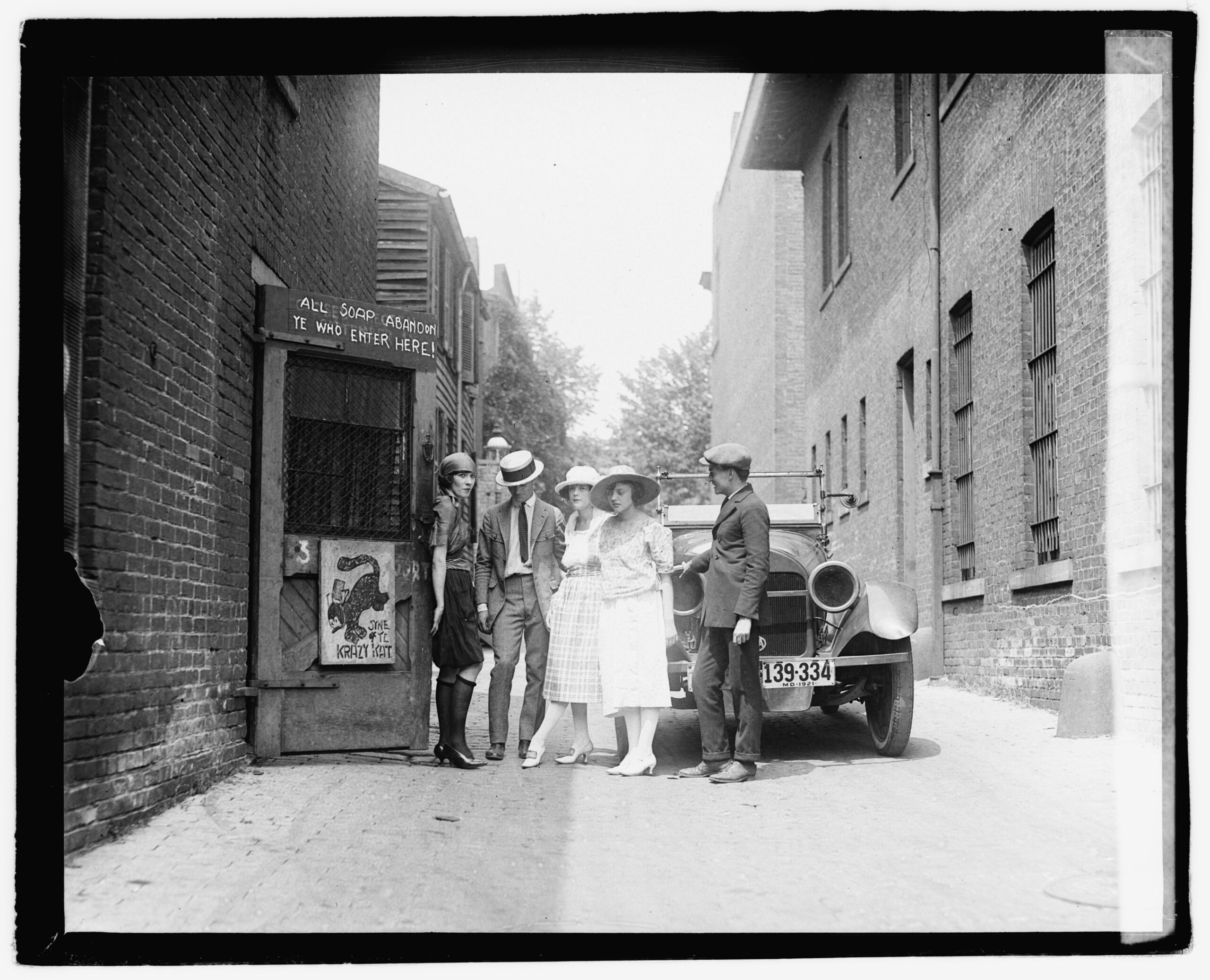
Several patrons and a flapper await the opening of the Krazy Kat Klub in 1921, located in Washington, D.C.
WWI was seen as the scariest conflict ever seen before in history. People weren’t aware that only 21 years later, a much scarier conflict would follow. The interwar period showed how WWI changed the world. All aspects of society saw radical changes. Stricken by the previous 4-year conflict, the world wanted peace, negotiations, and a safer world. The pre-WWI world didn’t pay as much attention to conflict prevention, but the new world did. The founding of the League of Nations was proof of these attempts. The media, mostly print, since audiovisuals were still developing back then, advocated against war, and pacifist works became more prevalent than before 1914. The interwar period laid the foundations for modern dialogue about progress that excludes conflict, devastation, and jeopardizing human rights.
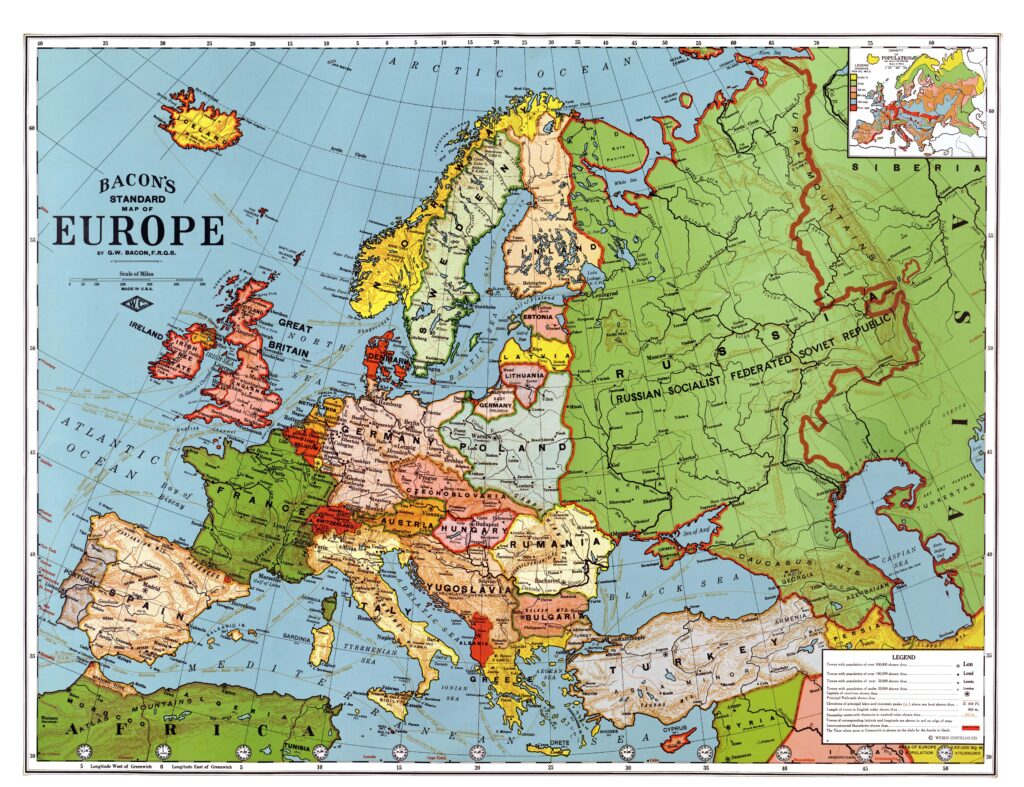
The Dissolution of the Old World
WWI and the interwar period brought the dissolution of old societal structures and ways of life. Once-strict differences between social classes became blurred. Societies like the Soviet Union also went to extremes and followed the ideal of complete deletion of these lines. New values replaced the old ones. Although built on flawed foundations, as the end of the Cold War would later show, they were the foundation for the transformation of modern democratic societies. While it is true that communist societies rejected the old class-divided system, they were not democratic. Political repression and persecution were proof of that.
“Brave New World” Wants Progress
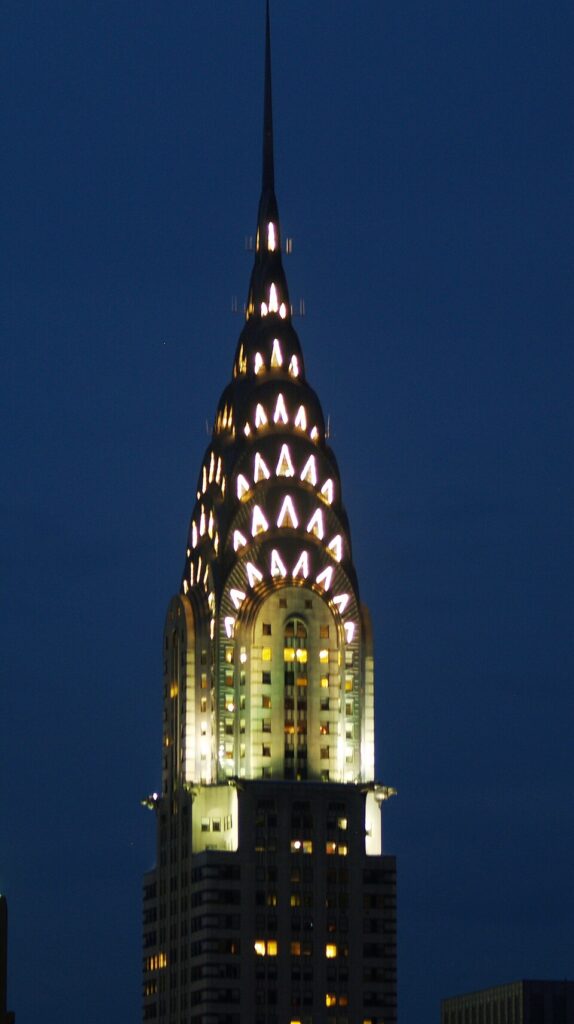
The “Brave New World” was the world of changed aesthetics in the interwar period, turned towards progress. Both in the East and the West, the development of science and technology affected every aspect of human life. Therefore, we see Art Deco replacing Art Nouveau and reflecting a tendency towards an unknown, but brighter future where everything was easier. Embracing technology, Art Deco offered a vision of a glamorous future. Later, history would show that it was indeed a vision, but also a new, different, and important desire for a progressive world.
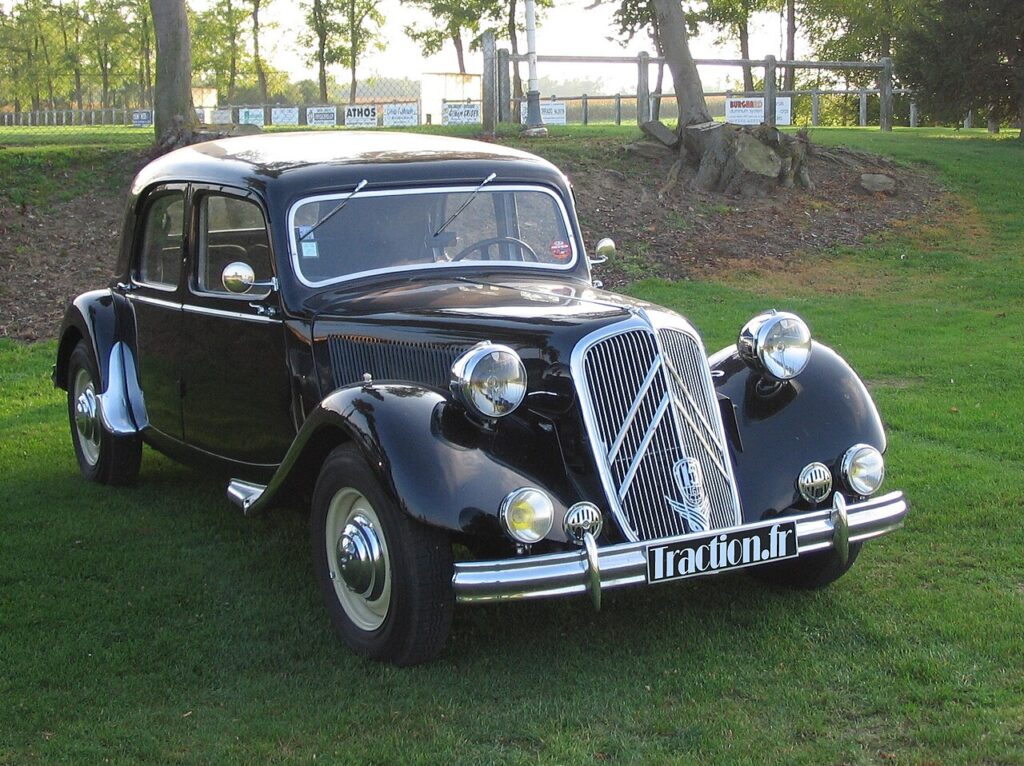
The interwar period saw a world that stopped romanticizing war and made the development of science and technology an important aspect of the new and progressive world. In the 1930s, cars with elegant lines and robust trucks rapidly began to replace slow coaches and carriages of the old world, together with the lifestyle in general. The world needed to develop, and there was no place for the aesthetics of the old world. Not even if that meant pollution, new diseases, and economic differences and hardships, as well as the creation of troubling societal structures.
Glamorous Lifestyle
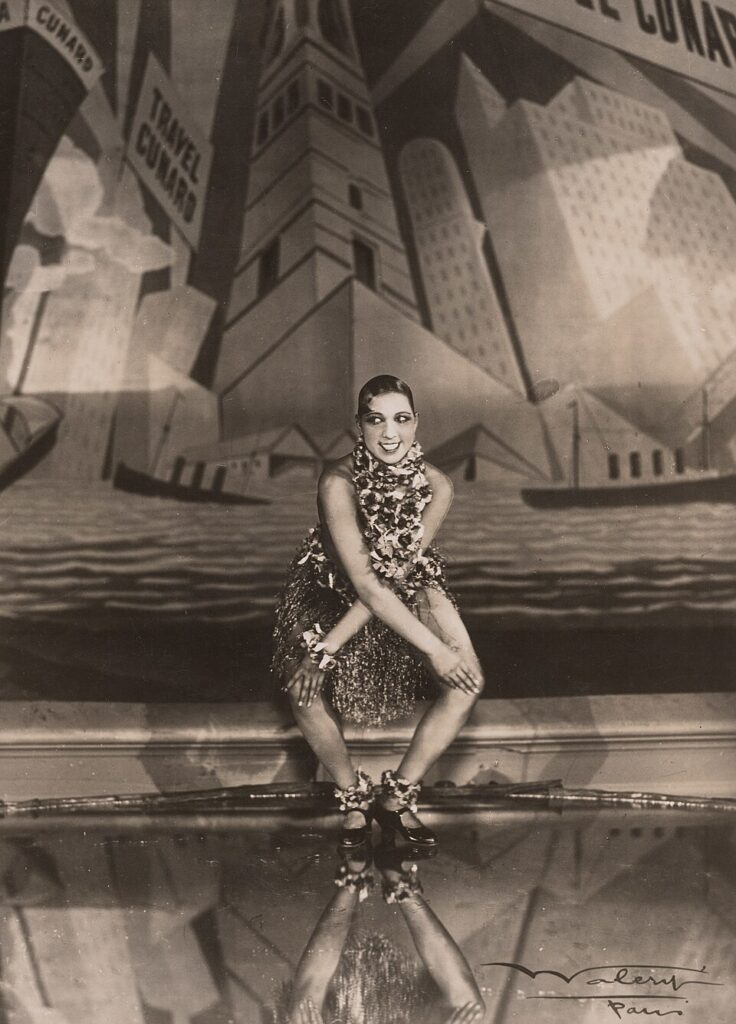
From the Roaring ’20s and glamorous ’30s, the interwar period also brought radical changes in the lifestyle of all social classes. Clubs and restaurants became the hubs of social life. Charleston, Foxtrot, Tango, and Samba were some of the popular dances and favorite entertainment for the youth and trendy socialites who wanted to strengthen their place in modern society that was more liberal than ever before. The impact of WWI, women entering the workforce, and the struggle for women’s rights were reflected in fashion and aesthetics as well. Tight corsets were replaced first by light, joyful flapper dresses in the 1920s, followed by glamorous silk dresses that accentuated the body’s natural shape in the 1930s. Women were not the only ones affected; gentlemen also embraced lighter fashion that made them look sleeker than in the stiff suits of the 19th century.
An Individual in the New World and the Rising Tensions
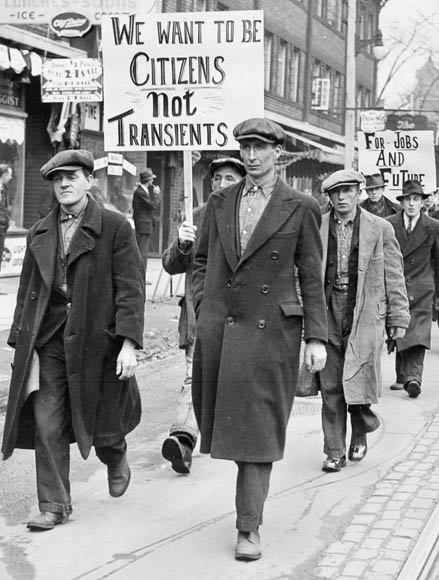
Economic hardship was another significant factor that laid the foundation for the fight for human rights. The Great Depression, strikes, and protests changed the world and emphasized the “ordinary man” who had rights in this world. In the 1920s, similar events occurred in Germany when there were violent uprisings because of the aftermath of WWI, and later during the Great Depression in 1930s Europe.
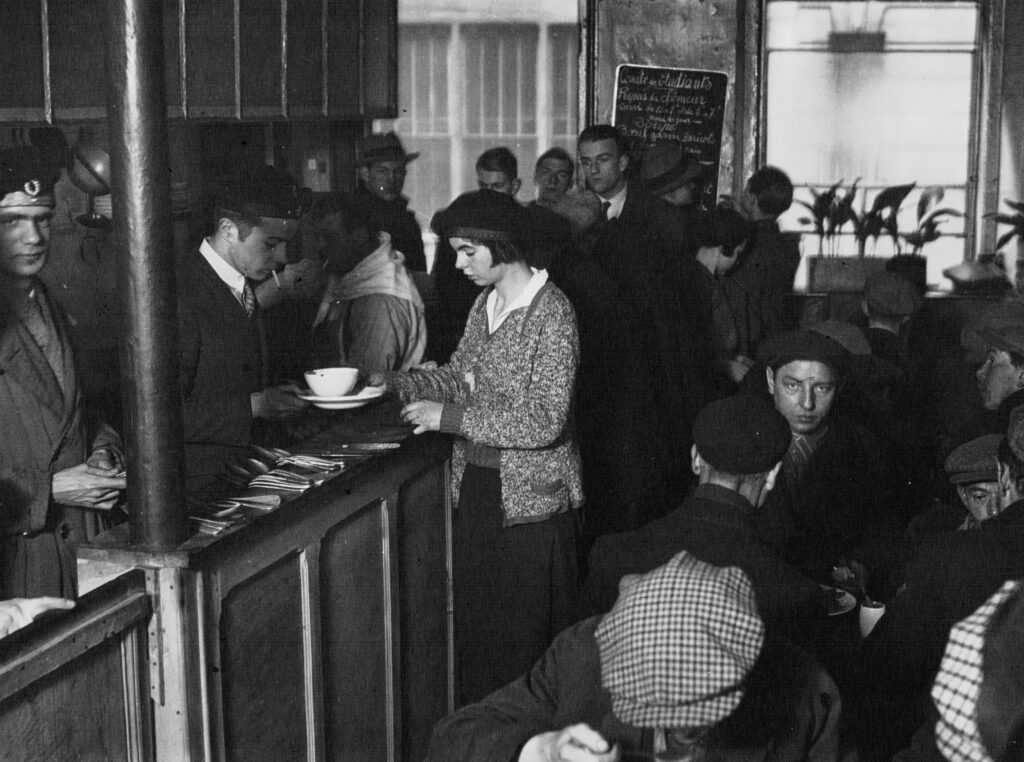
Although the mentioned trends formed the foundations of modern society, they also led to the circumstances that caused WWII. The interwar period was a big lesson, unfortunately paid for with millions of human casualties and numerous economies destroyed. The era strongly emphasized the importance of human rights and the need to avoid future conflicts of massive proportions. The post-WWII world was oriented towards progress, but tension persisted, and action was required.
Today, the world is still not perfect, and there are many negative trends, but the tendency towards avoiding conflict, searching for diplomatic solutions in global politics, and the orientation towards progress are the legacy of the interwar period. With an orientation towards sustainability, safety, the development of AI, and space exploration, it will be interesting to see what form it will take in the future. Or will something else replace it?


