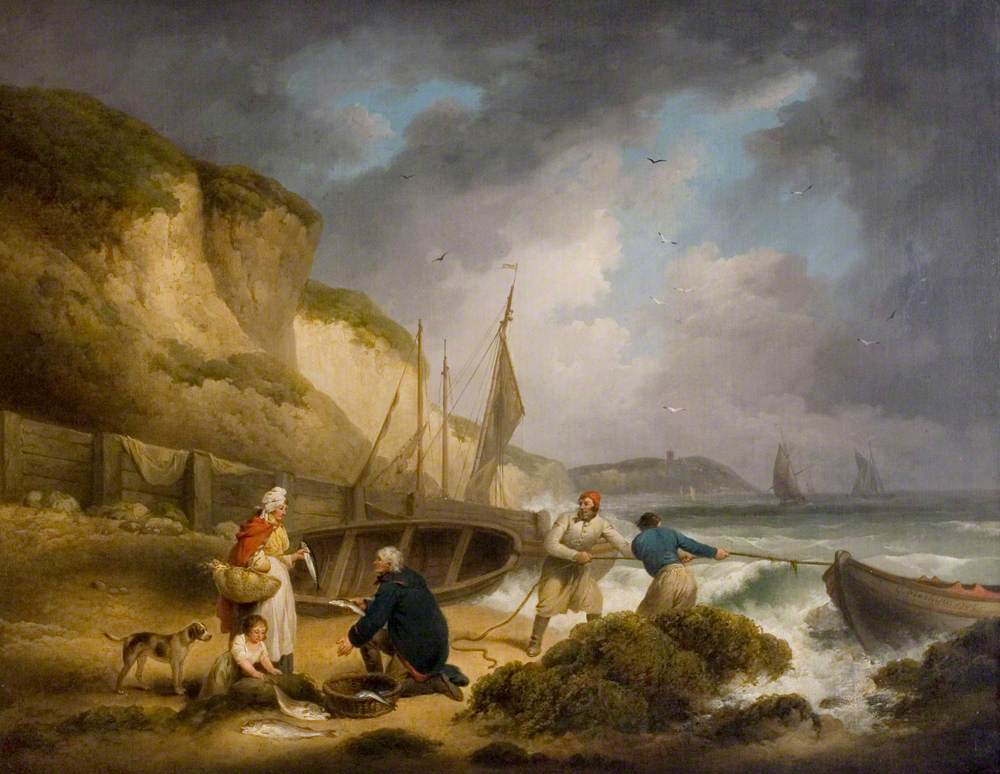
Selling Fish by George Morland, c. 1799
Life during the Napoleonic Wars was a far cry from the glamour and grandeur often associated with the era of imperial conquest. While historians frequently recount battles, strategies, and the rise of Napoleon Bonaparte, the day-to-day existence of civilians is a story marked by resilience, adaptation, and subtle defiance. Food shortages, shifting fashions, and the search for entertainment under foreign occupation defined the lived experience of ordinary people during this tumultuous period.
Food Shortages and the Struggle to Eat
The Napoleonic Wars disrupted agricultural production across Europe. Armies on the move consumed supplies from the countryside, and trade blockades limited access to imported goods. Civilians often faced meager rations, with bread, grains, and root vegetables forming the staple diet. In urban centers, prices soared, and families sometimes resorted to foraging or bartering to survive.
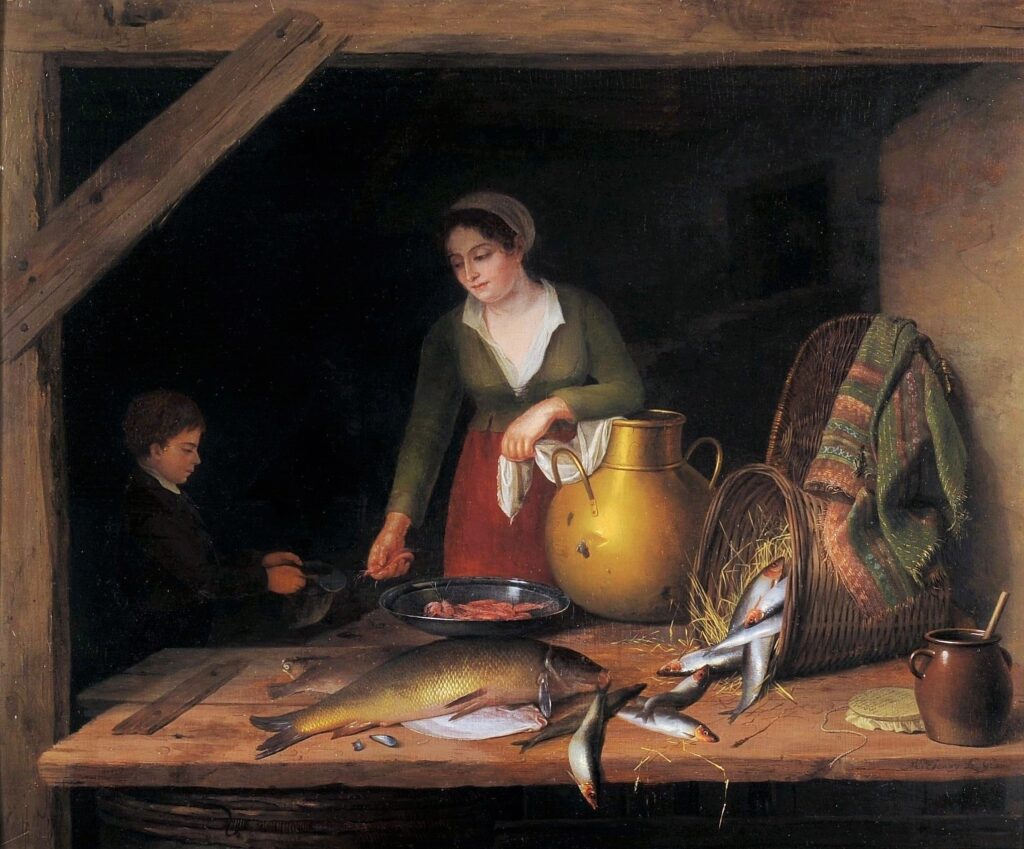
In France, for example, grain shortages could lead to widespread unrest. Peasants and townspeople alike grew accustomed to making do with what they had, preparing simple meals like soups from cabbage or lentils, and occasionally stretching resources with herbs and wild greens. In occupied territories such as Spain or parts of Italy, local populations found themselves navigating both the demands of French troops and the scarcity caused by disrupted local markets.
Despite the hardships, food was not merely sustenance, it became a form of subtle resistance. Smuggling, secret gardens, and communal sharing helped communities endure, showing that even in scarcity, ingenuity and solidarity flourished.
Fashion in the Shadow of War
Even under occupation, civilians maintained a keen sense of style. The Napoleonic era is famous for its elegant silhouettes, but for the average person, fashion was both practical and symbolic. Clothing often reflected local traditions while subtly incorporating French influences, especially in regions closer to Paris.
Women adapted by making dresses with simpler fabrics and trimming, while men emphasized sturdier outerwear that could withstand both long walks and military requisitions. Accessories became a discreet way to signal wealth or allegiance without attracting unwanted attention. Hats, shawls, and jewelry carried meaning beyond mere decoration, marking social status and personal taste.
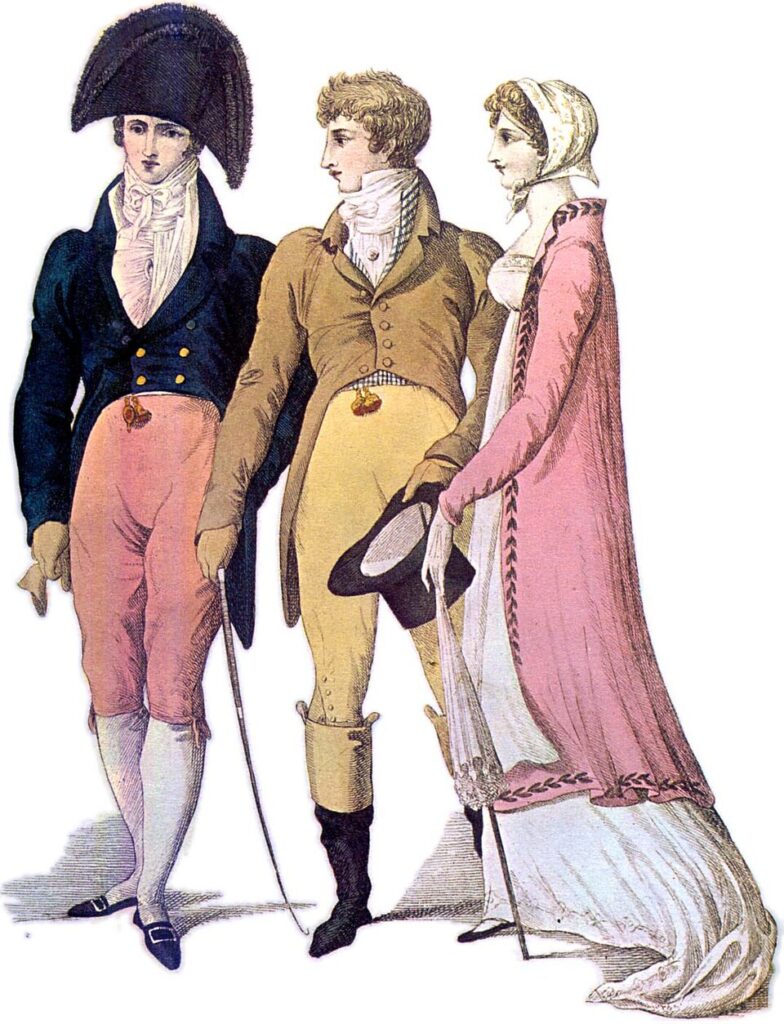
Interestingly, fashion could also serve as a subtle political statement. In occupied areas, civilians sometimes adopted elements of French style to appear compliant, or resisted it outright by wearing distinctly local garments, quietly asserting cultural identity under the gaze of an occupying force.
Entertainment as Escape and Resistance
In a world shadowed by war, entertainment provided a vital escape. The Napoleonic Wars did not completely extinguish leisure; rather, it transformed it. Music, theatre, and informal gatherings remained central to civilian life, offering both distraction and a means of cultural preservation.
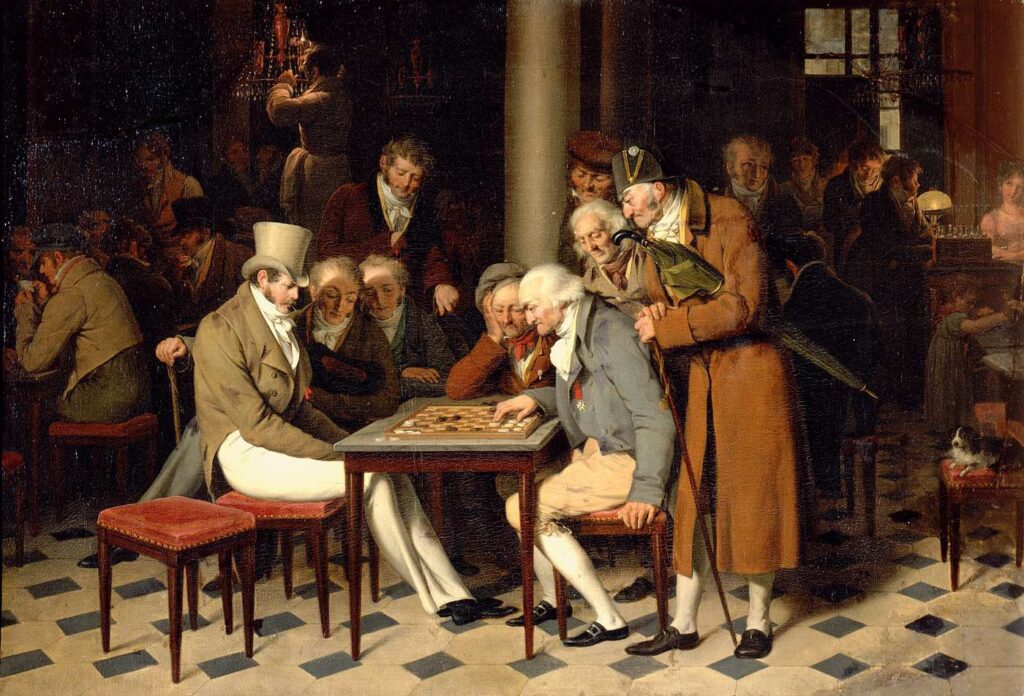
Street performances, small local theaters, and musical salons thrived in cities and towns less directly affected by battles. Folk songs and dances often carried double meanings, humorously critiquing French occupation or celebrating local heroes. Card games, storytelling, and simple games provided relief from the harsh realities of rationing and military presence.
Moreover, these forms of entertainment helped maintain morale. Letters, journals, and memoirs from the era reveal that even small moments of joy like a shared song, a festival, or a secretly staged play—offered civilians a sense of continuity and hope in a world dominated by conflict.
Everyday Resilience
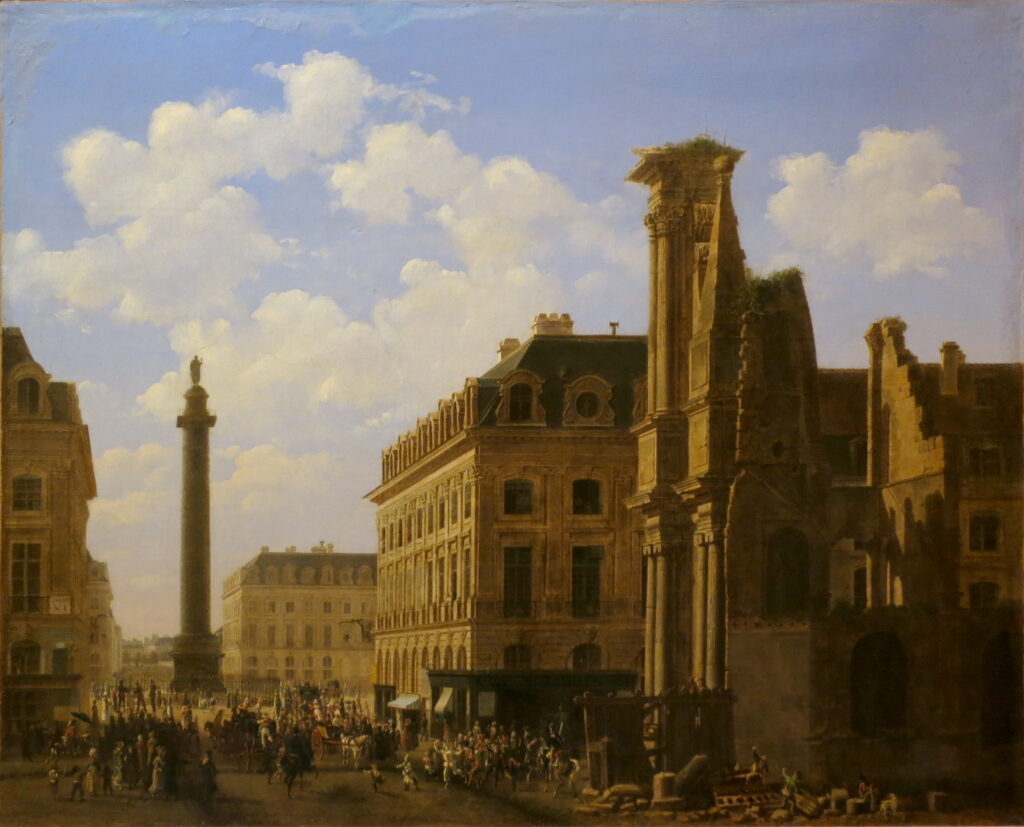
Ultimately, the everyday life of civilians during the Napoleonic Wars was defined by adaptation. Scarcity, occupation, and societal upheaval shaped the choices people made in food, fashion, and leisure. Communities improvised, traditions evolved, and ordinary citizens found ways to preserve dignity and joy despite the shadow of imperial ambitions.
Understanding these civilian experiences provides a fuller picture of the Napoleonic era, not merely as a time of battles and generals, but as a period where ordinary lives displayed extraordinary resilience. Through the lens of daily life, we see that history is as much about bread, clothing, and laughter as it is about cannons and crowns.

