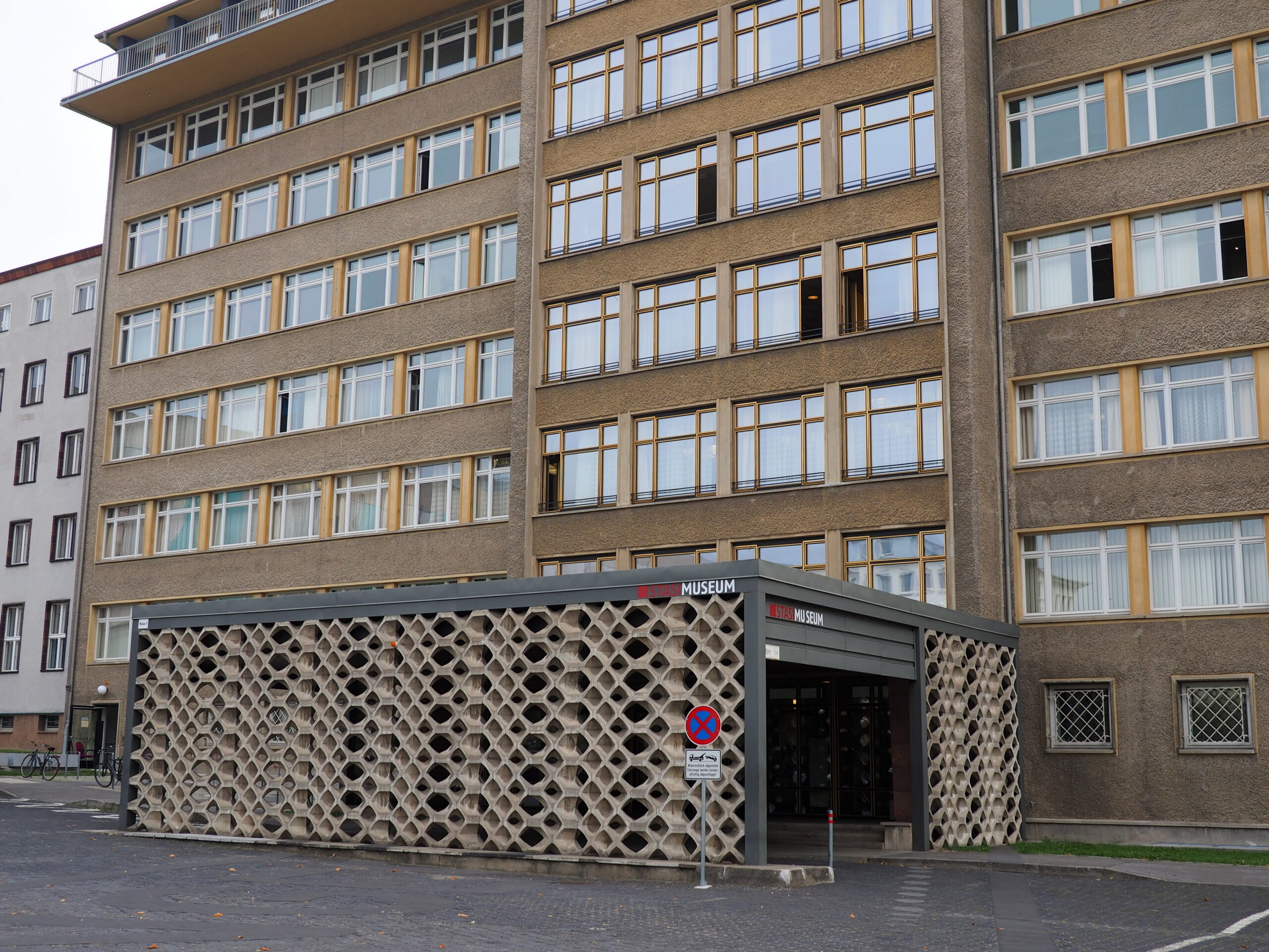
The main entrance to the Stasi headquarters (now Stasi Museum) in Berlin, CC BY-SA 4.0
The Cold War was an intense information war. Beneath the ideological clash of communism and capitalism, intelligence agencies built dense networks of surveillance, informants, and covert operations. A 1978 protocol between the Ministry for State Security of the GDR and the KGB reveals how deeply integrated these efforts became, particularly in East Germany, one of the most strategically sensitive frontlines of the era.
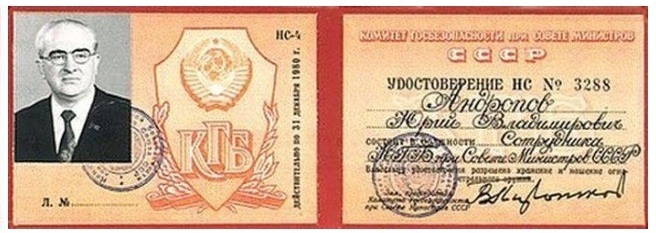
Surveillance and Information Sharing at Scale
At the core of the Eastern Bloc’s intelligence system was the systematic exchange of what officials termed “political-operative information.” This wasn’t casual data sharing, but structured, hierarchical, and constant.
The agreement formalized how intelligence flowed between East Berlin and Moscow, ensuring that both sides had access to surveillance reports, analytical assessments, and even technological tools. Archives were accessible through coordinated requests, allowing both services to build a shared intelligence picture.
This level of integration underscores how communism and capitalism shaped not just ideology, but administrative practice. Intelligence became a joint enterprise. Surveillance data on suspected dissidents, Western operatives, or even ordinary citizens could be pooled, cross-referenced, and acted upon with remarkable speed.
The emphasis on “evaluation” is particularly telling. Raw information wasn’t enough. Both agencies worked together to interpret and prioritize threats. In a system driven by suspicion, analysis became as critical as collection.

Recruiting Informants Across Borders
If surveillance was the backbone of the system, informants were its lifeblood. Article VI of the protocol lays out a strikingly detailed framework for recruiting citizens into secret collaboration. On both sides.
East German citizens could be recruited by Soviet operatives, while Soviet citizens living in East Germany could be approached by the Stasi. This cross-recruitment blurred national lines within the Eastern Bloc, reinforcing a shared mission rooted in communism and capitalism rivalry.
Potential informants were first vetted through extensive background checks using Stasi records. Once approved, they could be tasked with a wide range of activities: intelligence gathering in Western countries, logistical support, or even providing safe houses.
The system was bureaucratic but deeply personal. Informants were registered, monitored, and, if necessary, dismissed with reasons documented and shared between agencies. This wasn’t ad hoc espionage, but a managed ecosystem of human intelligence.
The scope of operations is revealing. Informants weren’t just used defensively. They were deployed offensively, particularly in operations targeting the West. In this way, the human dimension of communism and capitalism became starkly visible, ordinary individuals drawn into a global ideological struggle.
Espionage in Berlin and Beyond
Nowhere was this struggle more intense than in Berlin. Divided between East and West, the city functioned as a nerve center for espionage.
The protocol explicitly references operations against Western military liaison missions—those from the United States, Britain, and France. These missions, officially tasked with maintaining communication, were widely understood to be intelligence-gathering entities themselves.
The Stasi and KGB cooperated to monitor and infiltrate the Western presences. Informants played a key role, as did surveillance around Soviet military installations, particularly those linked to the Group of Soviet Forces in Germany.
West Berlin, though geographically isolated within East Germany, was a focal point. Operations targeting “capitalist states and West Berlin” highlight how intelligence activities extended beyond defensive measures. They were proactive, aiming to penetrate and disrupt Western networks.
This constant back-and-forth illustrates the operational reality of communism and capitalism. It wasn’t just about speeches or treaties, but about who could gather better intelligence, recruit more effectively, and anticipate the other side’s moves.

A System Built on Secrecy
Underlying all these activities was an uncompromising commitment to secrecy. The protocol emphasizes strict controls over information, particularly regarding informants. Access was tightly restricted, and breaches were treated as serious threats.
This culture of secrecy was essential to sustaining the intelligence apparatus. Without it, the delicate balance of surveillance, recruitment, and espionage could collapse.
In the end, the document offers a rare glimpse into how the Eastern Bloc operationalized its intelligence strategy. It shows that the contest between communism and capitalism was fought not only in public arenas, but in hidden networks of data, loyalty, and deception where the stakes were no less decisive.


