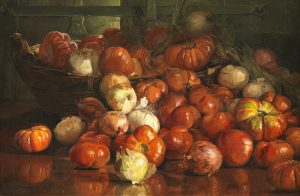
Enticing Flavors and Savors: The Long Tradition of Mediterranean Food – Editor’s Comment
The vibrant flavors and savors of Mediterranean food have captivated food lovers around the world for centuries. From the shores of Greece to the hills of Italy, and the coasts of Morocco to the plains of Lebanon, the Mediterranean offers a diverse array of delicious and healthy dishes.
Read More
Life: Few Details From Ancient Rome by Plutarch
Plutarch observes and discusses some of the intriguing details of life in Ancient Rome. Sometimes quite incredible, every question is like a scene from the life of Romans.
Read More
Gallery: Your Favorite Classic Characters in Photos (From Books, Not Movies and TV)
Literature masterpieces today are small worlds left on paper to which we have a duty to preserve for future generations. They are a witness of people and their thoughts in certain eras in history.
Read More
A Man of Trust: 15th Century Spy Adventures of Bertrandon de La Broquière
Bertrandon de La Broquière, the 15th-century Burgundian spy, a man of certain skills, experience and great influence on the Duke’s Court, was ready for the mission of his life.
Read More
Gallery: Herbs, Vegetables and a Lot of Fresh Air – Healthy Lifestyle in Medieval Times
During medieval times, leading a certain type of lifestyle could bring more balance, energy, joy, and happiness into your life.
Read More