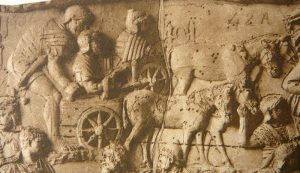
When the Ballista Changed Sieges: Ancient Origins of the Missile Weapon
The first ballista appeared with the invention of torsion spring bundle technology. They brought the three most important changes in the history of war: speed, effectiveness and success.
Read More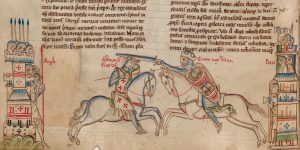
Cnut the Great Reforges his Father’s North Sea Empire, 1014-1028 (Part II)
When King Sweyn Forkbeard suddenly died in early 1014 after becoming the first Danish King of England and first ruler of the North Sea Empire, his son Cnut (994-1035) had to overcome the forces working to dismantle what his father achieved through victory in battle and alliance with the Jomsvikings – a military order based on the southern shore of the Baltic Sea.
Read More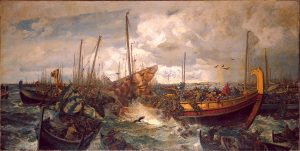
Sweyn Forkbeard: First Danish King of England and the Alliance that Forged the North Sea Empire, 986-1014AD (Part I)
Sweyn Forkbeard (963-1014) – the ambitious son of King Harald Bluetooth – made an alliance with the Jomsvikings – a mercenary legion of warriors who lived on the southern shore of the Baltic coast. Legend has it the Jomsvikings – often called the Jomsborg Vikings – lived by a strict martial code that forbade capture in battle.
Read More
The Harmony of Art and Beauty: Long Tradition of European Gazebos
Enjoying the small things is often priceless. There is no greater luxury but to enjoy the peace and quiet of nature, throw a rock across the lake and watch in delight how it ripples while you breath in the fresh spring breeze. It seems that the European architects of the 18th and 19th century really appreciated these things, so they created spaces pleasant for all the senses. Building pavilions hidden in the greenery and gazebos- relaxation sanctuaries were a must. Today, these little architectural gems are true decorations to European parks, woods and coasts. The story about them takes the reader down a real history avenue…
Read More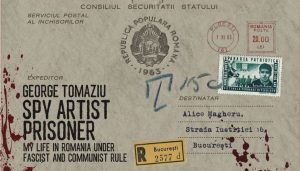
Spy Artist Against the System: George Tomaziu’s Life in Communist Romania
George (Gheorghe) Tomaziu was a Romanian painter, illustrator, memoirist and poet. He graduated from the Academy of Fine Arts in Bucharest. During World War II, he operated as an MI6 agent. As an agent of the British Intelligence Service, he organized a secret group of collaborators that included Alexandru Balaci, Romanian italianist, literary critic and historian. During 1944, Tomaziu was arrested, beaten and placed under investigation under suspicion of espionage. The same year he was released from Malmaison prison in Bucharest.
Read More