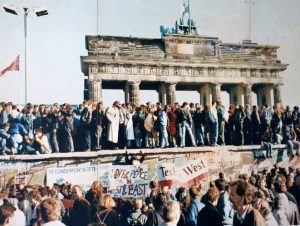
Fall of the Berlin Wall: The Night When the Autumn of Nations Got Heated – Editor’s Comment
Encouraged by the words of Günther Schabowski – “immediately and without delay”, the thousands of people took the opportunity, went out with hammers and chisels, and opened new crossing points on the Berlin Wall by force.
Read More
‘Special Talents and Notorious PSYWAR’: Cold War Spy Tradecraft Behind The Iron Curtain
Although there weren’t high-tech gadgets like today, Cold War espionage was extremely efficient. In a geopolitical situation where the nuclear threat was constantly present, information was a key currency. As there were no smartphones, internet, or other benefits of the modern age, people were the most important.
Read More
Cold War Propaganda: Three Ingredients For A Winning Strategy
During the Cold War years, the radio as a propaganda tool had a very important role. Popular in the bigger or smaller communities, it was an optimal medium for the Soviet government to send a political message. But, the political propaganda plan wasn’t only limited to the Soviet Union. It included the whole Iron Curtain.
Read More
How Did One Optimistic Report From the Stasi Foreshadow the Collapse of Communism?
During the early 80’s, increased tensions marked the new phase of the Cold War. Besides external, the Eastern Bloc countries faced many internal problems as well. The governments of these countries, especially the USSR, tried to spread optimism. But they didn’t see (or didn’t want to see) that everything would collapse soon. Therefore, it’s interesting to see how the secret reports full of optimism actually revealed the real state of affairs.
Read More
How Did Espionage Keep the Cold War Cold?
During the Cold War, information was a very valuable commodity. The search for the valuable information marked the whole Cold War era. The Cold War, as a clash of ideologies, was marked by continuous tensions between the East and the West, but didn’t culminate in a global conflict.
Read More